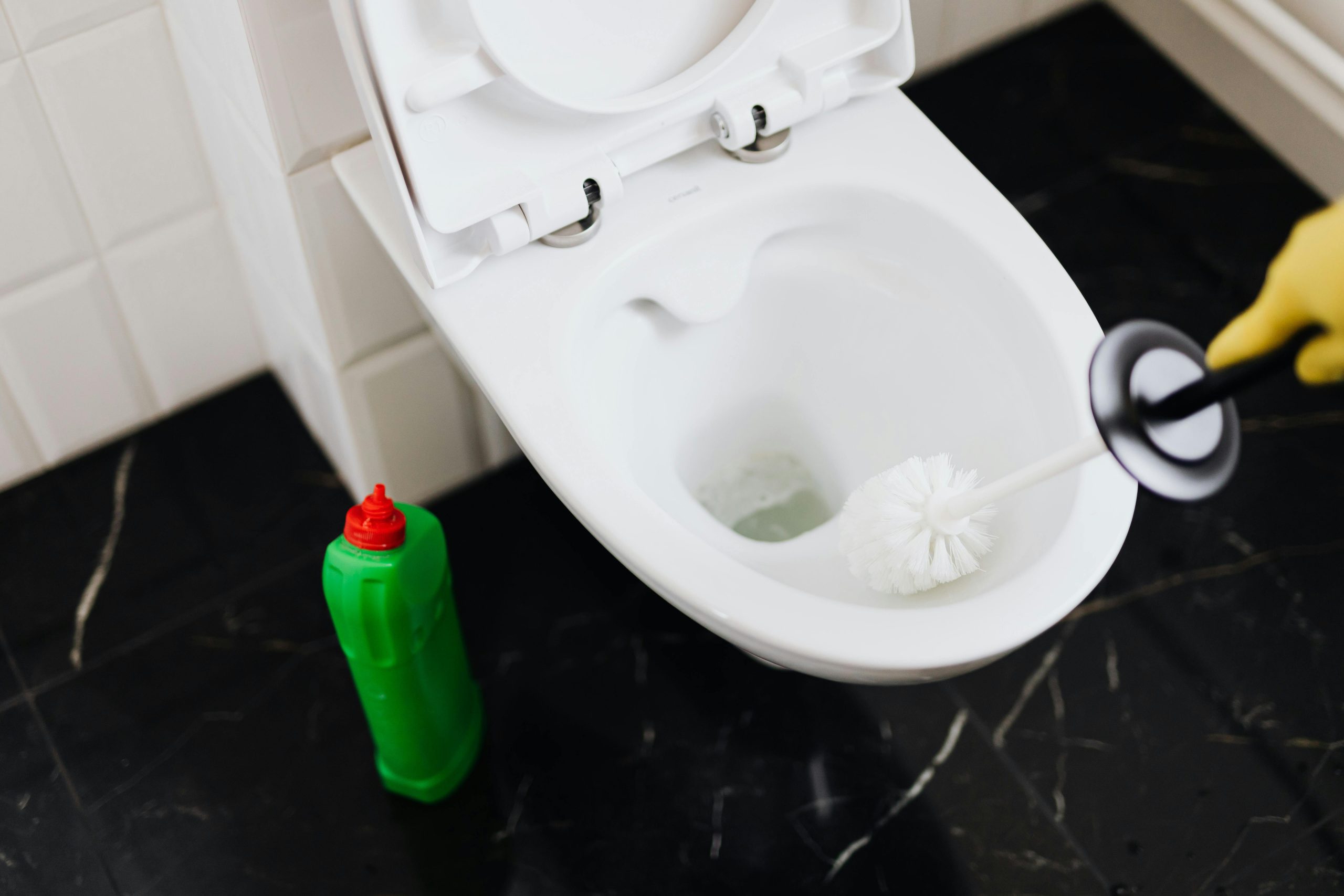
It is a situation every homeowner has faced at least once. You flush the toilet, and instead of the water disappearing, it starts to rise. You look around the bathroom in a panic, only to realize there is no plunger in sight. Whether you just moved in, your old plunger broke, or you are a guest at someone’s house, the feeling is the same: total dread.
Most people think their only options are to wait for a plumber or go on an emergency run to the hardware store. But before you grab your car keys, you should head to the kitchen. Two of the most common items in your pantry—baking soda and white vinegar—can be a powerful team when it comes to plumbing.
If you are wondering if you can really use baking soda and vinegar to unclog toilet messes, the answer is yes. While it won’t fix a major pipe blockage caused by a tree root or a plastic toy, it is incredibly effective for the “soft” clogs that happen in daily life. In this guide, we will show you exactly how to use this fizzy reaction to get your bathroom back in order fast.
Why This Method Works: The Science of the Fizz
To use this method correctly, it helps to know why it works. This isn’t just a “magic trick.” It is a chemical reaction.
Baking soda is a base, and vinegar is an acid. When you mix them together, they create a chemical reaction that produces carbon dioxide gas. This gas creates thousands of tiny bubbles. In the tight space of a toilet trap, that fizzing action creates pressure.
This pressure, combined with the weight of the water in the bowl, helps to physically break up the clog. The vinegar also helps to dissolve certain types of organic matter, and the baking soda acts as a mild abrasive. Together, they can move a stubborn clog through the “S-trap” of your toilet and down into the main drain.
Step 1: Prep the Toilet Bowl
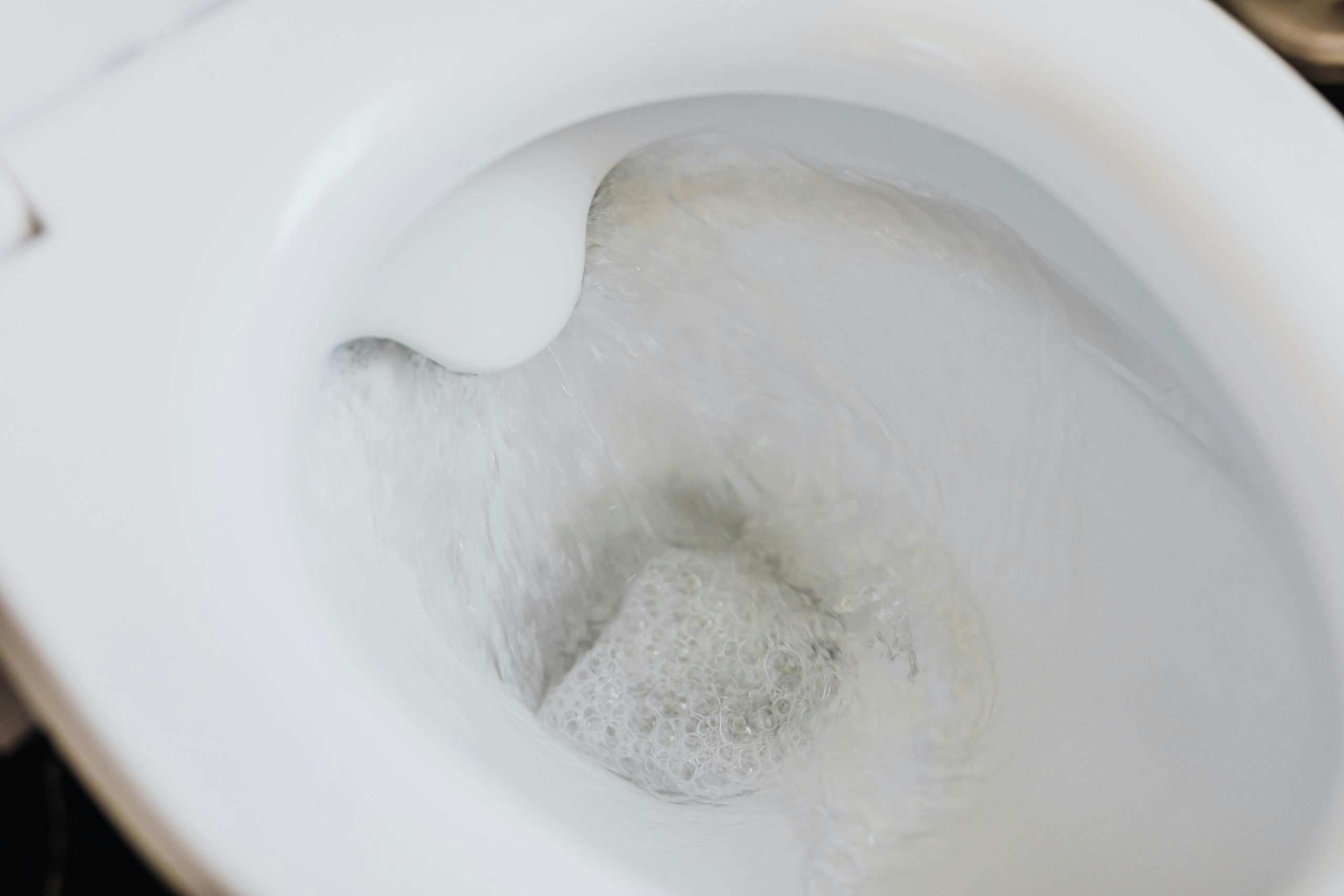
Before you start pouring, you need to assess the situation. If the water is at the very top of the rim, you cannot add more liquid.
- The Rule: You need space in the bowl for the “fizz.” If the toilet is nearly overflowing, you will need to manually remove some of the water. You can use a small disposable cup and a bucket to do this.
- The Level: Ideally, the bowl should be about half-full. If it is too empty, the weight of the water won’t be enough to help push the clog.
- The Safety Check: Never use this method if you have already poured a commercial chemical drain cleaner into the toilet. Mixing vinegar with chemicals like bleach or store-bought drain openers can create toxic gases that are very dangerous to breathe.
Step 2: The Hot Water Secret
While the fizzing does the heavy lifting, hot water is the secret ingredient that makes the process work much faster.
- The Heat: Do not use boiling water. Boiling water can actually crack the porcelain of your toilet bowl, which would be a very expensive home improvement mistake. Instead, use “very hot” tap water or water that has just started to simmer on the stove.
- The Goal: Hot water helps to melt away fats and greases that might be holding the clog together. It also helps the baking soda and vinegar react more quickly.
Step 3: The Baking Soda and Vinegar Process
Now it is time for the main event. Follow these steps in order for the best results:
- Add the Baking Soda: Pour exactly one cup of dry baking soda into the toilet bowl. Try to pour it directly into the hole at the bottom. Wait a few seconds for it to settle.
- Add the Vinegar: Slowly pour one cup of white distilled vinegar into the bowl.
- The Reaction: You will immediately see bubbles and fizzing. This is the carbon dioxide doing its work. If you pour the vinegar too fast, it might foam up over the rim, so go slowly!
- Wait: This is the hardest part. Let the mixture sit for at least 20 to 30 minutes. If the clog is particularly stubborn, you can leave it for an hour.
During this time, the bubbles are working their way into the clog, and the vinegar is softening the debris. You might even see the water level start to slowly drop. That is a great sign!
Step 4: The Hot Water Flush
After the mixture has had time to sit, it is time to give it a nudge.
- The Technique: Take your bucket of hot (not boiling) water and pour it into the toilet from about waist height.
- The Physics: The height of the pour adds “force” to the water. This extra pressure, combined with the loosened clog, is often enough to send everything down the drain.
- The Sound: If you hear a “whoosh” or a gurgling sound, congratulations! You have successfully used baking soda and vinegar to unclog toilet blockages.
When to Call a Pro
As much as we love a DIY home improvement fix, it is important to know your limits. This method is perfect for organic clogs (like too much toilet paper). However, it will not work if:
- Hard Objects: A child has flushed a toy, a comb, or a toothbrush. These objects won’t dissolve with vinegar and will likely need to be removed with a plumbing snake or by removing the toilet.
- Total Backup: Every drain in your house is backed up at the same time. This usually means your main sewer line is blocked, and no amount of baking soda will fix that.
- Frequent Clogs: If your toilet clogs every single week, you might have a problem with your plumbing vents or a partial blockage further down the line.
Preventative Maintenance: Keeping the Drains Clear
Once you have fixed the problem, you probably don’t want to deal with it again. Using baking soda and vinegar to unclog toilet issues is actually a great preventative habit.
- Monthly Refresh: Once a month, pour half a cup of baking soda and a cup of vinegar down your toilets and sinks. Let it sit for ten minutes, then flush with hot water. This prevents “bio-film” and small bits of debris from building up into a major clog.
- Proper Disposal: Remind everyone in the house that the only things that should go down a toilet are human waste and toilet paper. “Flushable” wipes are famous for causing clogs because they don’t break down as easily as paper, regardless of what the package says.
Benefits of the Natural Approach
Choosing this DIY method isn’t just about being “green.” It is a smart choice for the long-term health of your home. Using baking soda for cleaning your plumbing is a strategy that professional handymen and eco-conscious homeowners have used for years.
- Saves Your Pipes: Commercial drain cleaners are extremely “corrosive.” They work by eating away at whatever is in the pipe. Unfortunately, they also eat away at the pipes themselves, especially if you have older metal plumbing. Baking soda and vinegar are gentle on your infrastructure.
- Septic Safe: If you live in a house with a septic system, you know that you have to be careful about what you flush. Chemicals can kill the “good” bacteria in your septic tank that breaks down waste. Baking soda and vinegar are completely safe for septic systems.
- Cost Effective: A large bottle of vinegar and a box of baking soda cost less than $3.00 combined. A single call to a plumber can easily cost $150 to $200 just for them to show up.
Conclusion
The next time you find yourself facing a rising water level and no plunger, don’t panic. Just remember the simple chemistry of the kitchen pantry. Using baking soda and vinegar to unclog toilet clogs is a fast, safe, and effective way to handle one of life’s most annoying little emergencies.
By following the steps of prepping the bowl, using the right water temperature, and giving the fizz time to work, you can solve the problem yourself. Not only will you save money, but you’ll also have the satisfaction of knowing you handled a home improvement crisis like a pro.