A roof is one of the most critical components of any home, providing protection from weather, contributing to energy efficiency, and enhancing the overall value of a property. When homeowners plan remodel plans, considering the roof is essential. Poor roofing decisions or neglecting proper maintenance can shorten a roof’s lifespan, leading to costly repairs or premature replacement. By incorporating strategic remodel plans, homeowners can ensure that their roofs remain durable, functional, and visually appealing for decades.
This article explores various aspects of roof maintenance, from understanding roof decking to hiring qualified roofing contractors. It also provides guidance on selecting waterp roofing contractors, evaluating roofing estimates, and identifying reliable local roofing companies. Whether you are planning minor repairs or a major roof replacement, knowing how to integrate these factors into remodel plans will make your investment more secure. With careful attention to materials, contractor selection, and preventative maintenance, homeowners can significantly extend the life of their roofs while avoiding unexpected costs.
What is Roof Decking and Why is it Important?
Understanding Roof Decking Materials
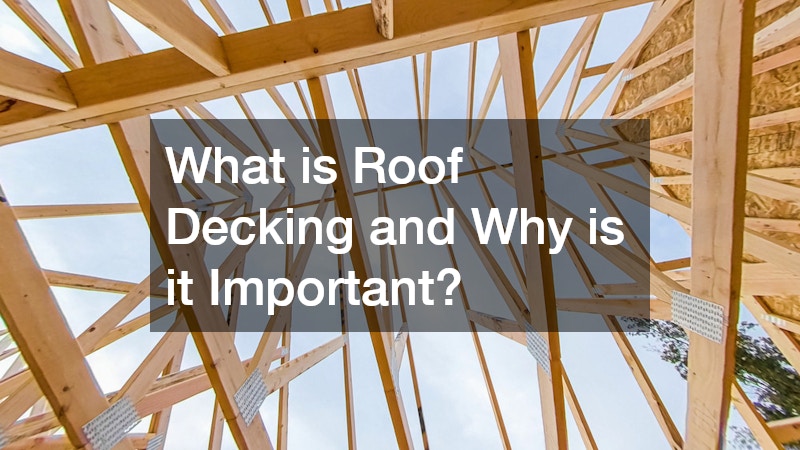
Roof decking serves as the foundation for the roof covering, supporting shingles, tiles, or metal panels. Common materials include plywood, oriented strand board (OSB), and sometimes tongue-and-groove boards. Each material offers different levels of strength, moisture resistance, and cost-effectiveness. Plywood is widely used for its durability and ability to provide a stable surface for roofing materials. OSB is typically more affordable and offers comparable structural performance, though it may be more susceptible to water damage if not properly treated.
When planning remodel plans, selecting the right decking material is crucial. Homeowners should consider factors such as climate, roof slope, and the type of roofing material being installed. Quality roof decking ensures that shingles or other coverings remain properly anchored and helps prevent issues like sagging, leaks, and premature wear. Roofing contractors often recommend inspecting existing decking during remodel plans to identify areas that may need replacement before installing new roofing materials. Proper decking selection contributes not only to the structural integrity of the roof but also to the overall efficiency and longevity of the entire roofing system.
The Role of Roof Decking in Longevity
The integrity of roof decking directly impacts the durability of a roof. Even the best shingles or roofing materials cannot perform optimally without a solid deck beneath them. Roof decking distributes weight evenly, provides a secure surface for attachment, and offers resistance against wind uplift and other environmental stressors. When remodel plans include roof replacement or repair, assessing the condition of existing decking is critical. Any signs of rot, warping, or water damage must be addressed to avoid compromising the longevity of the new roof.
Proper installation of roof decking is equally important. Roofing contractors emphasize alignment, nailing patterns, and the use of moisture-resistant underlayment to ensure maximum durability. A well-installed deck can extend the life of the roof by decades, reducing the need for frequent roof repair. Homeowners who integrate decking assessment and improvements into their remodel plans can enjoy peace of mind knowing their roofing system is built on a strong, reliable foundation.
How to Choose the Right Roofing Company?
Key Factors in Selecting a Roofing Company
Choosing the right roofing company is a vital part of successful remodel plans. Homeowners should consider experience, reputation, and the range of services offered. A reputable roofing company will provide comprehensive solutions, from roof repair and installation to ongoing maintenance and waterproofing. Licensing and insurance are non-negotiable, ensuring protection in case of accidents or property damage during the project.
Cost is another factor to weigh, but it should not be the sole determinant. Roofing estimates from multiple companies can help identify competitive pricing while highlighting differences in material quality, workmanship, and service guarantees. Local roofing companies often have the advantage of familiarity with regional building codes and weather patterns, which can influence roof design and material selection. Integrating these factors into remodel plans ensures that homeowners make informed choices and avoid costly mistakes later on.
Questions to Ask Potential Roofing Contractors
Before finalizing a roofing company, homeowners should ask targeted questions to evaluate their expertise and reliability. Essential inquiries include the company’s experience with specific roofing materials, warranty policies, project timelines, and previous client references. Asking about licensing, insurance coverage, and safety protocols can also help confirm professionalism.
During consultations, homeowners should discuss the scope of remodel plans, including any waterproofing or structural improvements needed. A competent roofing contractor will provide detailed answers, offer recommendations based on the property’s unique requirements, and prepare accurate roofing estimates. Taking the time to ask these questions helps ensure that the remodel plans proceed smoothly and that the roof remains durable for years to come.
What Qualities Should a Good Roofing Contractor Have?

Certifications and Experience
A skilled roofing contractor combines hands-on experience with proper certifications to ensure high-quality workmanship. Certifications from roofing manufacturers indicate that the contractor has received training on proper installation techniques and material handling. Experience, particularly with projects similar to a homeowner’s remodel plans, ensures that the contractor can anticipate challenges and deliver reliable results.
Homeowners should verify credentials and review the contractor’s portfolio of past projects. Certifications also provide access to manufacturer warranties, which can be a critical component of roof longevity. Integrating this level of diligence into remodel plans allows for more predictable outcomes and reduces the likelihood of needing unexpected roof repair in the future.
Client Reviews and Testimonials
Assessing client reviews and testimonials offers insight into a roofing contractor’s reputation. Positive feedback demonstrates a history of successful projects, professionalism, and strong customer service. Conversely, negative reviews can highlight recurring issues such as missed deadlines, subpar workmanship, or inadequate communication.
When researching potential contractors, homeowners should look for patterns rather than isolated complaints. A contractor with consistently strong reviews and a responsive approach to resolving concerns signals reliability. Incorporating this evaluation into remodel plans helps ensure that the selected roofing professional will meet expectations and contribute to a durable, long-lasting roof.
How Does Waterproofing Help in Roof Maintenance?
Benefits of Waterproofing for Roof Longevity
Waterproofing is a critical aspect of any remodel plans focused on roof longevity. By applying protective coatings or membranes, roofs are shielded from water penetration, reducing the risk of leaks, mold growth, and structural damage. Waterproofing also enhances energy efficiency by preventing moisture from compromising insulation.
Homeowners who prioritize waterproofing in remodel plans enjoy fewer roof repairs and extended service life. Roofing contractors often recommend integrating waterproofing treatments during roof replacement or major repair projects. This preventive approach ensures that the roof remains resilient against heavy rain, snow, and other environmental stressors, safeguarding the overall investment in the property.
Choosing Effective Waterproofing Contractors
Selecting experienced waterproofing contractors is essential for achieving optimal results. Homeowners should seek professionals with proven expertise in applying waterproof membranes, coatings, and sealants compatible with their roofing system. Checking certifications, previous project examples, and client references can help ensure quality workmanship.
Effective waterproofing also requires coordination with roofing contractors to address roof decking conditions, flashing, and drainage systems. Incorporating waterproofing expertise into remodel plans provides comprehensive protection, enhancing both roof longevity and overall home safety.
What Should Be Included in Roofing Estimates?

Breakdown of Roofing Estimates
Roofing estimates are a critical component of remodel plans, providing homeowners with a clear understanding of projected costs. A comprehensive estimate typically includes materials, labor, permits, and any additional services such as waterproofing or roof decking replacement. High-quality roofing contractors break down these items in detail, helping homeowners compare options and make informed decisions.
Materials listed may include shingles, underlayment, flashing, and fasteners, while labor costs cover installation and cleanup. Roofing estimates should also address potential structural adjustments, such as reinforcing decking or replacing damaged sections. Including this level of detail in remodel plans ensures transparency, allowing homeowners to anticipate financial commitments while reducing the risk of surprises during the project.
Understanding Additional Costs and Fees
While roofing estimates cover standard expenses, homeowners should be aware of potential additional costs. These may include disposal fees for old roofing materials, unexpected repairs uncovered during installation, or modifications to accommodate unique architectural features. Remodeling plans that account for these contingencies help prevent budget overruns.
Roofing contractors often provide guidance on probable extra costs based on the property’s condition and local regulations. By discussing these factors in advance, homeowners can adjust remodel plans accordingly and make realistic financial preparations. Properly understanding roofing estimates ultimately supports a smoother project and long-term roof durability.
Why is Hiring a Local Roofer Advantageous?
Local Knowledge and Climate Considerations
Local roofers bring invaluable knowledge about regional climate conditions, building codes, and common roofing challenges. Their familiarity with local weather patterns, such as heavy rain, ice, or strong winds, allows them to recommend materials and installation techniques that enhance roof longevity. Incorporating this insight into remodel plans ensures that the roof is optimized for the specific environment.
Local roofing contractors often maintain relationships with nearby suppliers, which can streamline material procurement and reduce delays. Homeowners benefit from practical advice tailored to their area, from proper flashing techniques to suitable roofing materials. Leveraging local expertise in remodel plans ultimately contributes to a more resilient and long-lasting roof.
Supporting Local Businesses
Hiring a local roofing company not only benefits the project but also supports the community’s economy. Local businesses reinvest in the area, create jobs, and provide personalized service that larger chains may not offer. By choosing a local roofer as part of remodel plans, homeowners contribute to a network of skilled professionals invested in maintaining a strong reputation.
Local roofers often offer ongoing maintenance services and follow-up support, ensuring that roofs continue to perform optimally after remodel plans are implemented. This combination of quality service and community investment reinforces the advantages of selecting a nearby roofing contractor for both immediate and long-term roofing needs.
How to Identify Reliable Local Roofing Companies?

Researching Local Roofing Companies
Finding a reliable local roofing company requires careful research. Homeowners should start by checking online reviews, verifying licenses, and confirming insurance coverage. Recommendations from neighbors, friends, or real estate professionals can also provide valuable insight. Researching local companies as part of remodel plans ensures that homeowners select contractors with a proven track record and strong reputation.
Additionally, visiting completed project sites or requesting case studies can demonstrate workmanship quality. Local roofing contractors often have extensive portfolios showcasing roof repair, replacement, and maintenance projects. Evaluating these examples alongside roofing estimates helps homeowners make informed decisions, integrating trustworthy professionals into remodel plans.
Red Flags to Avoid When Choosing Local Roofers
Not all roofing companies maintain the same level of quality or reliability. Warning signs of a less dependable roofer include vague estimates, lack of proper licensing, poor communication, and negative reviews from previous clients. Remodel plans should prioritize contractors who demonstrate transparency, professionalism, and clear accountability.
Homeowners should also be wary of unusually low bids, which may indicate subpar materials or shortcuts in installation. By identifying red flags early, remodel plans can avoid costly mistakes and ensure that the roof receives expert care. Engaging trustworthy local roofers fosters confidence in the project’s outcome and the roof’s long-term durability.
When is Roof Repair Necessary versus Replacement?
Signs Indicating Need for Roof Repair
Distinguishing between roof repair and replacement is a crucial step in remodel plans. Signs that repair may be sufficient include minor leaks, localized shingle damage, or small areas of water infiltration. Timely repairs can prevent these issues from escalating and extend the life of the existing roof.
Homeowners should consult roofing contractors for an assessment, as they can identify structural weaknesses, water damage, or compromised roof decking. Incorporating these findings into remodel plans ensures that repair decisions are informed and effective, reducing the likelihood of unnecessary replacement costs.
Evaluating Cost-Effectiveness of Repair vs. Replacement
While repairs can be cost-effective for minor issues, extensive damage may justify full replacement. Factors to consider include the age of the roof, the condition of roof decking, and the frequency of previous repairs. Remodeling plans that weigh these factors help homeowners decide whether continued maintenance or a new installation provides the best long-term value.
Roofing estimates play a vital role in this evaluation, outlining costs for both repair and replacement options. By analyzing potential savings, material lifespan, and labor considerations, remodel plans can guide homeowners toward decisions that protect their investment and maximize roof longevity.
Integrating thoughtful remodel plans focused on roofing can dramatically improve the durability and performance of a home’s roof. From selecting high-quality roof decking and hiring experienced roofing contractors to applying waterproofing treatments and evaluating roofing estimates, every detail contributes to long-term success. By understanding these factors, homeowners can make informed choices that reduce the risk of costly repairs and extend the lifespan of their roof.
Prioritizing local roofers, assessing repair versus replacement needs, and incorporating preventive maintenance strategies into remodel plans ensures that roofing projects are both effective and efficient. These proactive steps not only protect the structural integrity of the home but also enhance energy efficiency, curb appeal, and overall property value. Through careful planning, attention to detail, and collaboration with trusted roofing professionals, remodel plans can transform a standard roof into a resilient, long-lasting system that meets both functional and aesthetic goals.