
Owning a home comes with ongoing maintenance responsibilities. Over time, nearly every property develops issues that require attention, whether they involve the roof, plumbing, electrical system, garage door, or heating and cooling equipment. Some problems are easy to spot, while others can develop gradually and remain unnoticed until they begin affecting other parts of the home. Learning how to recognize common warning signs can help homeowners address problems before they become more extensive.
Home repairs can also vary considerably in complexity. Replacing a worn component may be relatively straightforward, while a hidden plumbing leak, damaged electrical wiring, or failing heating system can require specialized knowledge. Attempting to address a complicated issue without the right training can potentially cause additional property damage or create safety concerns. Knowing when to seek professional assistance is therefore an important part of responsible homeownership.
Regular inspections and routine maintenance can help homeowners identify developing problems. Looking for signs such as water stains, unusual sounds, damaged materials, flickering lights, poor airflow, or changes in system performance can provide useful clues. Addressing these signs promptly may help limit damage and keep household systems functioning properly.
Understanding common repair projects also makes it easier to prioritize maintenance. Some concerns may need immediate attention, while others can be scheduled for a later date. This guide explores several repair issues homeowners may encounter and explains some of the signs that can indicate when professional assistance is appropriate.
Signs Your Roof May Need Professional Attention

The roof is one of the home’s primary defenses against rain, snow, wind, and other weather conditions. Because it is exposed to the elements throughout the year, roofing materials can eventually develop damage or wear. Missing shingles, cracked materials, curling edges, and visible deterioration are signs that the roof may need attention.
Water stains on ceilings or walls can also point to a roofing problem. A leak may not appear directly beneath the damaged area because water can travel along roofing components, insulation, or structural materials before entering the living space. For this reason, identifying the visible stain may not be enough to locate the source.
Homeowners may also notice granules collecting in gutters or around downspouts. Some granule loss is expected as roofing materials age, but substantial accumulation can indicate deterioration. Sagging areas, daylight visible through the roof structure from an attic, and damaged flashing around vents or chimneys can also warrant further evaluation.
A local roofer can inspect these areas and determine whether the issue appears limited or more widespread. Prompt attention may help prevent water from reaching insulation, drywall, framing, and other components beneath the roofing system.
When to Bring in a Roofing Professional
Not every roofing issue requires the same type of repair. A small area of damage may have a different solution than extensive deterioration across multiple sections of the roof. Professional evaluation can help homeowners understand the condition of their roofing system and determine what work may be appropriate.
Severe weather is one common reason to schedule an inspection. High winds, hail, falling branches, and heavy storms can damage roofing materials in ways that are not always visible from the ground. Materials may become loosened or cracked without immediately causing an interior leak.
Persistent leaks are another reason to seek assistance. If water continues entering the home after a previous repair, the original source may not have been fully addressed. There may also be damage in nearby flashing, underlayment, or other components.
A roofing contractor can examine the affected area and surrounding materials to identify potential causes. Professional assistance may also be appropriate when a roof is steep, difficult to access, or otherwise unsafe for a homeowner to inspect.
Common Roof Problems That Need Attention
Roofing problems can develop from weather exposure, age, installation issues, inadequate ventilation, or physical damage. One of the most common concerns is damaged or missing shingles. Strong winds can lift materials, while prolonged exposure to sunlight and temperature changes can cause cracking, curling, or other forms of deterioration.
Flashing is another vulnerable area. Flashing helps direct water away from openings and transitions around chimneys, vents, skylights, and other features. If flashing becomes damaged or improperly sealed, water may enter the roofing system.
Poor drainage can create additional concerns. Gutters and downspouts are designed to direct water away from the home. When they become clogged, damaged, or improperly positioned, water may accumulate near the roof or foundation.
A timely roof repair can address certain localized problems before they contribute to broader damage. Homeowners should pay attention to recurring leaks, visible deterioration, and changes in the roof’s appearance rather than waiting until a problem becomes severe.
Plumbing Problems That May Require Professional Help
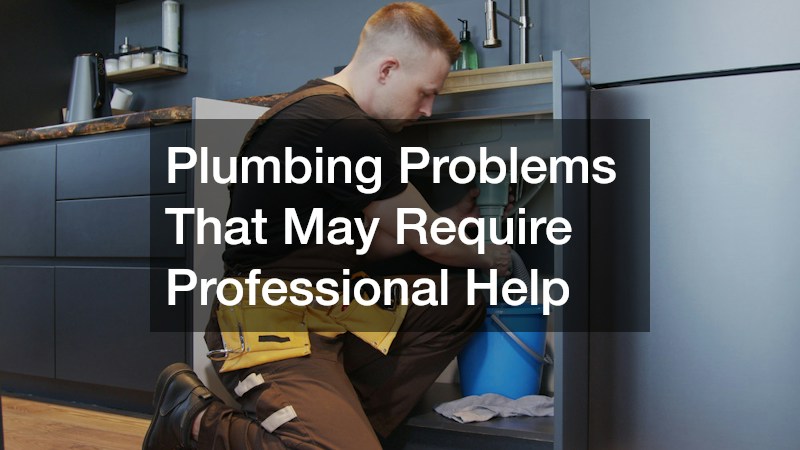
Plumbing systems operate throughout the home, making many problems difficult to identify until they become noticeable. A dripping faucet is usually easy to recognize, but hidden leaks can be much harder to detect. Unexplained increases in water usage, damp cabinets, water stains, musty odors, and pooling water can all indicate potential plumbing concerns.
Slow drains can also signal an issue. Occasional slow drainage may result from buildup, but persistent problems can indicate a blockage farther within the plumbing system. Multiple slow drains may suggest a larger issue that requires further investigation.
Low water pressure can have several causes, including problems with fixtures, supply lines, or other components. Unusual noises from pipes may also warrant attention, particularly when they occur frequently or coincide with changes in water flow.
Homeowners may encounter situations where professional assistance is appropriate because plumbing systems can involve concealed pipes and connections. Plumbing companies can evaluate leaks, drainage concerns, water pressure issues, and other problems while determining whether a repair or larger project may be necessary.
Warning Signs of a Leak Beneath Your Home
Some plumbing leaks occur beneath the home rather than inside walls or cabinets. A leak beneath a concrete foundation can be particularly difficult to identify because much of the affected plumbing is hidden from view.
Unexplained warm or damp areas on flooring may indicate a problem with an underground water line. Homeowners may also notice the sound of running water when fixtures are turned off. Unexpected increases in water bills can provide another warning sign, especially when household water use has not changed significantly.
Cracks or changes in flooring can sometimes accompany moisture-related problems, although these signs can have many possible causes. Areas of unusually lush vegetation outside the home may also warrant attention if underground water is reaching the soil.
Slab leak repairs can vary depending on the location and severity of the leak. Professionals may need to identify the affected line before determining how to access and repair it. In some cases, the solution may involve accessing the plumbing through the floor, while other situations may have different repair options.
Because water beneath a foundation can affect surrounding materials, homeowners should investigate unexplained moisture rather than assuming it will resolve on its own.
When Your Home’s Pipes May Need Replacing
Plumbing pipes can deteriorate with age, corrosion, mineral buildup, or repeated exposure to changing temperatures. While an isolated pipe problem may be repairable, widespread deterioration can indicate that the plumbing system needs a more extensive solution.
Frequent leaks are one potential warning sign. If pipes repeatedly develop leaks in different areas, replacing individual sections may not address the condition of the overall system. Discolored water can also indicate corrosion or other issues within certain plumbing components.
Low water pressure can sometimes result from deteriorated or restricted pipes. Persistent problems throughout the home may justify a more detailed evaluation.
A repipe project involves replacing some or all of a home’s existing plumbing lines. The appropriate scope depends on factors such as the type and condition of the existing pipes, the home’s layout, and the location of affected plumbing.
Homeowners considering this type of project should obtain an evaluation before assuming that every pipe needs replacement. A professional can assess the existing system and explain which sections may require attention.
Electrical Issues That Should Not Be Ignored
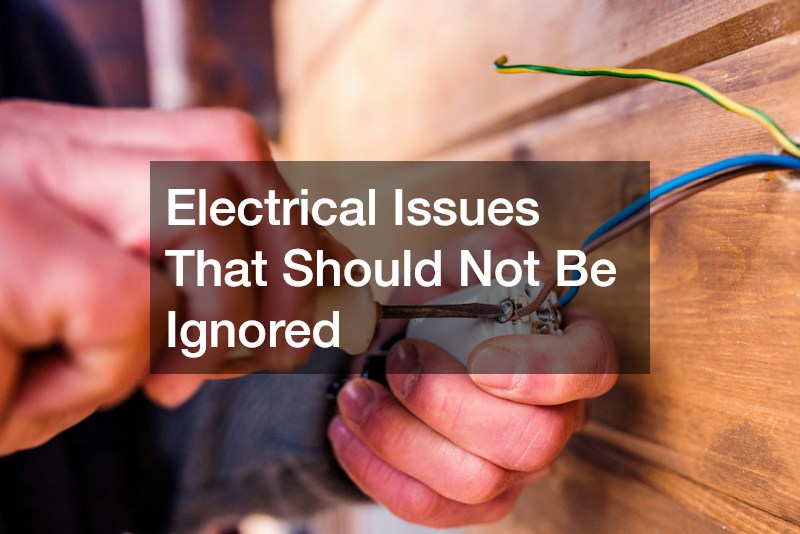
Electrical problems can create serious safety concerns, so warning signs should be taken seriously. Flickering or frequently dimming lights, outlets that feel warm, buzzing sounds, and frequently tripped breakers can indicate an electrical issue.
Burning odors around outlets, switches, or electrical equipment are another important warning sign. Discoloration or scorch marks can also suggest overheating or other electrical problems. These signs should not be treated as normal household wear.
Older homes may have electrical systems that require updates to accommodate modern household demands. Frequent breaker trips can sometimes indicate that circuits are being overloaded or that another electrical problem is present.
A residential electrician can inspect wiring, outlets, switches, panels, and other components to identify potential problems. Electrical work can involve hazards that are not obvious to someone without specialized training, making professional assistance appropriate for many repairs and upgrades.
Homeowners should avoid ignoring intermittent electrical problems simply because they stop occurring temporarily. A problem that appears and disappears may still indicate an underlying issue that deserves evaluation.
Situations That May Call for Electrical Assistance
Some electrical projects involve more than replacing a light fixture or resetting a breaker. Homeowners may need assistance when adding new circuits, installing certain appliances, upgrading electrical panels, or addressing recurring electrical problems.
Older wiring can present another concern. Homes built under older electrical standards may have wiring or components that are no longer suitable for current household demands. Signs such as outdated outlets, insufficient circuits, or repeated electrical issues may warrant an inspection.
Electrical work may also become necessary during remodeling projects. Adding rooms, relocating appliances, or installing new equipment can change the home’s electrical requirements. A professional can evaluate whether the existing system can support the changes.
Local electricians can also help homeowners identify problems that are difficult to diagnose. For example, a single malfunctioning outlet may have an issue with its wiring, while a broader circuit problem may affect several fixtures or receptacles.
Seeking assistance when an electrical problem appears can help homeowners address the underlying issue rather than repeatedly dealing with the same symptom.
Common Problems That Can Affect Your Garage Door
Garage doors contain numerous moving components, including springs, rollers, cables, tracks, hinges, and openers. Because these parts work together each time the door opens or closes, wear can eventually affect its operation.
A door that moves unevenly, becomes unusually noisy, or struggles to open can indicate a mechanical problem. The door may also become stuck partway open or closed. These issues can result from worn components, track problems, opener issues, or other mechanical concerns.
A garage door that reverses unexpectedly can also require attention. Safety sensors may be dirty or misaligned, but other components can contribute to operational problems.
Broken springs and damaged cables can be particularly important to address because these components support the movement and weight of the door. Homeowners should be cautious about attempting repairs involving highly tensioned components.
Garage door repair can involve inspecting several connected parts to determine why the door is malfunctioning. Professional assistance can be especially appropriate when the problem involves springs, cables, tracks, or other components that may pose safety risks.
When Your Heating or Cooling System Needs Attention
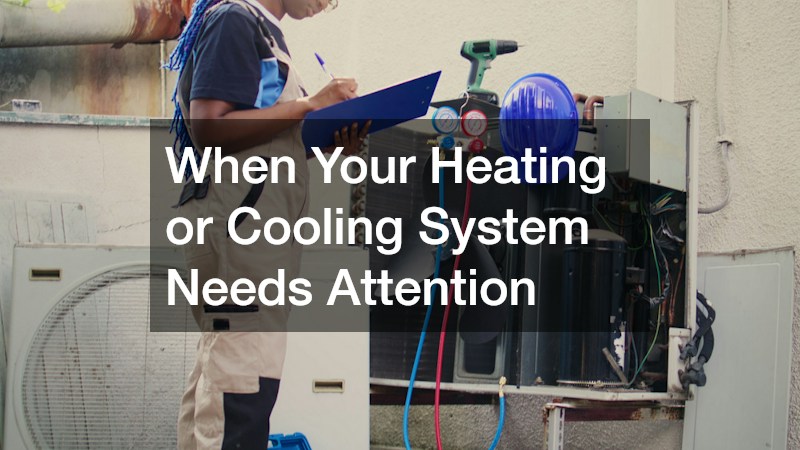
Heating and cooling equipment plays an important role in maintaining comfortable indoor conditions throughout the year. Changes in performance can indicate that the system needs maintenance or repair. Uneven temperatures, weak airflow, unusual noises, and repeated cycling are examples of concerns homeowners may notice.
A system that runs continuously without adequately heating or cooling the home may also need attention. Reduced performance can result from several causes, including airflow restrictions, component problems, thermostat issues, or other mechanical concerns.
Unusual odors should not automatically be dismissed, particularly when they are persistent or appear alongside other changes in system operation. Homeowners should also pay attention to unexplained increases in energy use when their usage patterns have remained relatively consistent.
HVAC repairs can range from replacing individual components to addressing larger mechanical problems. Regular maintenance can help identify worn parts and other concerns before they interfere with system performance.
Homeowners should also consider the age and condition of their equipment. Repeated breakdowns or declining performance may indicate that continued repairs should be evaluated alongside replacement options. A professional assessment can help clarify the condition of the system and the available approaches.
Home repair projects can involve many different systems, and each one has its own warning signs, maintenance requirements, and potential complications. Roofing problems may appear as damaged materials or interior water stains, while plumbing concerns can involve leaks, drainage issues, or unexplained changes in water usage. Electrical problems may show up through flickering lights, warm outlets, or recurring breaker trips. Garage doors and heating and cooling systems can also develop noticeable changes in performance when components begin to wear.
Recognizing these signs early can help homeowners decide when an issue deserves further attention. Some maintenance tasks are relatively simple, but problems involving concealed plumbing, electrical wiring, structural roofing components, garage door springs, or mechanical HVAC equipment can require specialized knowledge. Attempting to repair these systems without the appropriate skills or equipment can create additional risks.
Routine inspections and maintenance can also help homeowners stay ahead of developing problems. Checking visible roofing materials, monitoring plumbing fixtures, paying attention to electrical changes, observing garage door operation, and keeping up with heating and cooling maintenance can make it easier to identify unusual conditions.
Not every problem requires an immediate major project, but ignoring persistent warning signs can allow damage to spread. Professional evaluations can help homeowners understand the source and scope of a problem and determine what type of repair may be appropriate. By paying attention to changes in their home’s systems and addressing concerns in a timely manner, homeowners can better protect their property, maintain household comfort, and reduce the potential for avoidable complications.