
Owning a home comes with a relentless truth: things will break. When a problem strikes, the temptation to hire the first general handyman available is incredibly strong. However, rushing that decision can turn a minor inconvenience into an expensive, recurring nightmare.
The biggest mistake a property owner can make is failing to match the complexity of a problem with the correct specialist. While a general contractor is great for cosmetic projects, they lack the specialized tools, diagnostic training, and legal licensing required to handle advanced structural, mechanical, or electrical failures. Calling the wrong person can lead to faulty work that fails to meet municipal building codes and voids manufacturer warranties.
To manage your property efficiently, you need a definitive strategy. This comprehensive guide serves as your playbook, helping you accurately diagnose household failures so you can confidently determine exactly which expert to contact.
Water and Waste: Navigating Plumbing Disasters vs. Routine Clogs
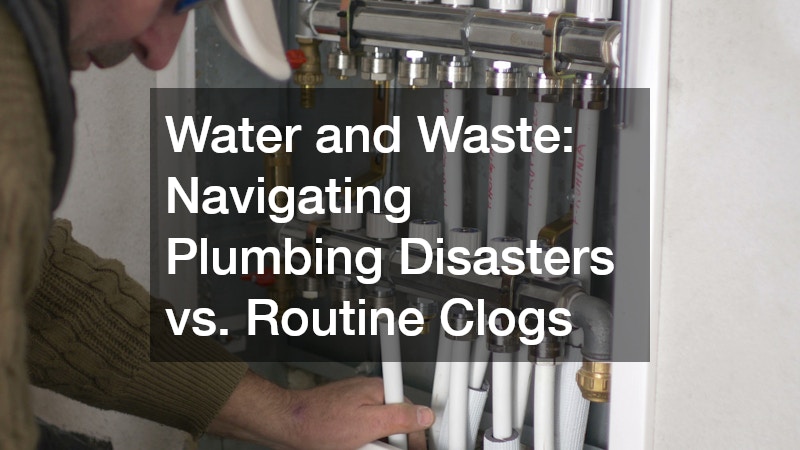
Plumbing issues are among the most stressful events a homeowner can experience because water damage is both immediate and destructive. Within minutes, a major plumbing failure can ruin floors and destroy drywall.
When to shut off the main valve and call an immediate specialist
When a pipe bursts, your absolute priority is to halt the flow of water at its source. Every adult in your household must know the exact location of the main water shut-off valve. Once the immediate threat is contained, evaluate the scope of the damage. If you notice structural warning signs like sagging ceilings or water rushing loudly behind your walls, you are dealing with a severe breach. In these high-stakes scenarios, you need to contact an emergency plumber who provides rapid, twenty-four-hour response teams to patch your pressurized lines and mitigate structural damage.
Handling slow lines and localized backups before they flood
Not every plumbing issue requires an urgent midnight dispatch. Many common problems are localized to a single fixture, such as a sluggish bathroom sink. To diagnose the severity of a blockage, apply the one-fixture versus multiple-fixtures rule. If only one sink is backing up, the problem is localized. If multiple fixtures across the lower level of your home are backing up simultaneously, your main sewer line is likely blocked.
For isolated blockages, avoid the temptation to pour bottles of harsh, chemical drain cleaners down the pipe, as these can corrode older plumbing. Instead, employ proper preventative tactics:
-
Utilize a high-quality cup plunger to create a strong vacuum seal and dislodge the physical blockage.
-
Deploy a manual drain snake down the line to physically capture hair clogs and soap scum.
-
Pour a mixture of baking soda, vinegar, and boiling water down your drains monthly to break down organic buildup.
When these basic DIY efforts fail, the blockage is embedded deep within your waste system. This is the moment to contact a professional drain cleaner to clear out stubborn clogged drains using specialized hydro-jetting equipment.
Structural Integrity: Managing Overhead Protection and Property Defacement
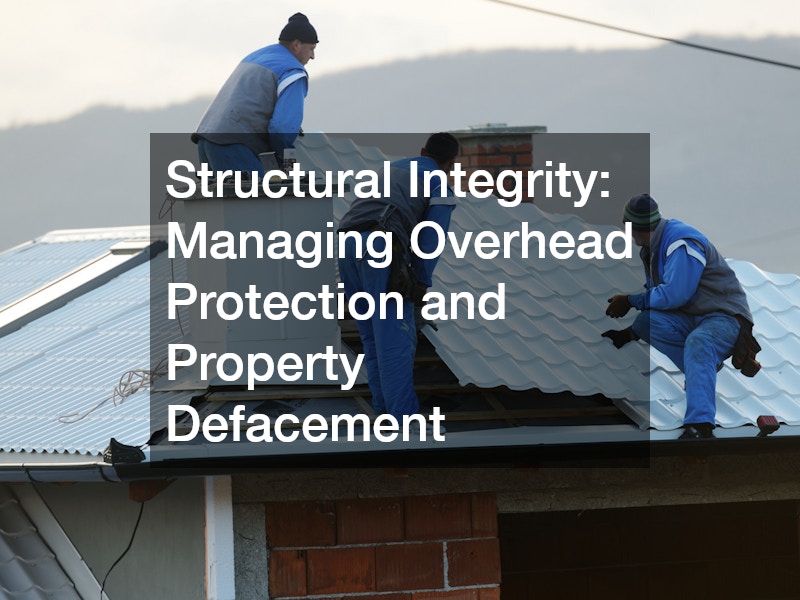
The exterior shell of your home is your primary defense against weather elements. Keeping this outer envelope secure requires seasonal inspections and rapid cosmetic restoration when your home is targeted by vandalism.
Assessing storm damage and preventative roof maintenance
Your roof is a critical component of your home’s structure, yet it is often ignored until water starts dripping onto your furniture. Severe weather, including high winds and summer hail storms, can silently compromise your roofing material without causing an immediate indoor leak.
To prevent major interior damage, conduct a safe ground-level visual inspection of your roof line at least twice a year using binoculars. Look closely for curling shingle edges or cracked flashing around chimneys. If a major storm hits your area and you spot significant damage from the ground, you should immediately contact a reputable local roofing contractor. A specialized professional roofer can safely scale your home, provide an accurate assessment, and provide the detailed documentation you will need to successfully file an insurance claim.
Restoring exterior surfaces from vandalism and stubborn stains
Exterior property management is also about protecting your home’s curb appeal and material value from external defacement. Discovering that your garage door or brick siding has been targeted with spray paint can be incredibly disheartening.
When dealing with pigment-based stains on your home’s exterior, time is your greatest enemy. Porous building materials like brick and concrete act like giant sponges. The longer spray paint sits on these surfaces, the deeper it migrates into the pores. While a standard pressure washer can help remove loose dirt, using excessive pressure to blast away deeply set paint can easily pulverize mortar joints. For safe, effective restoration, you should hire an exterior restoration professional who knows how to apply a specialized graffiti removal product to lift the stain without harming the underlying materials.
Sparks and Currents: Keeping Your Electrical and Essential Appliances Safe
Electrical systems power our modern homes, but electricity is inherently dangerous. Unlike a minor plumbing leak, a faulty electrical connection can spark an uncontainable house fire in a matter of seconds.
Upgrading panels and diagnosing flickering whole-house power
Many older homes were simply not built to handle the massive electrical demands of modern living. Between high-powered electric vehicle chargers and multiple HVAC zones, older electrical panels can easily become dangerously overloaded.
Homeowners must remain vigilant for the subtle warning signs of an overtaxed electrical system. If you notice your lights flickering when major appliances kick on, or hear a distinct buzzing sound coming from a wall outlet, your system is actively signaling a failure. Attempting to DIY any major electrical work is incredibly risky. This type of high-stakes work requires you to hire a licensed electrician. An electrical specialist possesses the diagnostic tools to locate hidden arcing wires and legally pull the municipal permits needed to upgrade your home’s electrical service safely up to code.
Troubleshooting cold showers and system leaks
Few things disrupt a morning routine faster than a blast of freezing water in the shower. Your home’s water heating system is a hard-working appliance that is constantly subjected to high thermal stress and corrosive mineral scaling.
Before you assume your unit is completely dead, check your main service panel to ensure the dedicated circuit breaker hasn’t tripped, or check the pilot light if you have a gas unit. If the power source is intact but you are still getting zero hot water, or if you notice a rusty pool of water gathering around the base of the tank, the issue is internal. A leaking tank usually indicates that the internal lining has corroded. To diagnose internal heating element failures, you should contact a technician who specializes specifically in water heater repairs to determine if your unit can be salvaged or if it requires full replacement.
Climate Control: Surviving Seasonal HVAC and Ventilation Failures
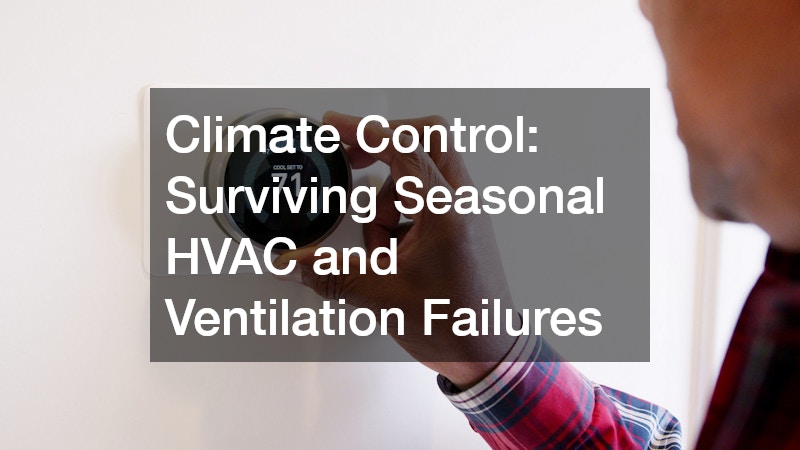
Maintaining a reliable climate control system protects your home’s interior and your family’s physical well-being. Extreme summer heat can rapidly cause indoor humidity to skyrocket, while a total loss of heat during a winter freeze can cause your plumbing pipes to freeze and burst.
Beating the summer heat when the cooling system fails
When an air conditioner fails on a sweltering summer afternoon, take these troubleshooting steps immediately before making a service call:
-
Verify that your digital thermostat is functional and that the batteries do not simply need to be replaced.
-
Inspect your main air filter; a completely choked, dusty air filter can restrict airflow so severely that it causes the indoor evaporator coils to freeze over into a solid block of ice.
-
Check the exterior condenser unit to ensure that tall grass or blown leaves are not choking the aluminum cooling fins.
If your filters are clean and the outdoor unit is clear, but the system is blowing warm air, you are likely dealing with a refrigerant leak or a failed compressor. In this scenario, you need to reach out to professional air conditioning companies in your area to handle the pressurized refrigerants safely and restore your home’s cooling efficiently.
Preparing for winter freezes and ensuring furnace safety
When the seasons shift and temperatures drop, your focus must transition to your home’s heating system. Waiting until the first major blizzard of the year to turn on your furnace for the first time is a recipe for disaster.
The most effective way to protect your property is to schedule a preventative maintenance check-up in the early autumn. A professional technician will clean your burners, check the ignition sequence, and thoroughly inspect the heat exchanger. If a heat exchanger develops a microscopic crack due to age and metal fatigue, it can leak deadly, odorless carbon monoxide gas directly into your home’s ventilation system. To ensure your system is completely safe, make it a habit to book certified specialists who provide comprehensive heating services every single autumn before the cold weather sets in.
Environmental and Backyard Safety: Invisible Threats and Recreational Assets
Some of the most critical threats to your home’s safety are completely invisible to the naked eye, while others sit right in your backyard, requiring advanced technical knowledge to keep operational.
Testing for and mitigating silent, colorless soil gases
While a leaky roof is easy to notice, one of the most hazardous threats to a homeowner’s health is entirely imperceptible. Radon is a naturally occurring, radioactive gas that is produced by the decay of uranium in the soil beneath your home’s foundation. It is completely colorless, odorless, and tasteless, yet it is a leading cause of lung cancer.
Because radon gas enters your home through microscopic cracks in your foundation, you cannot rely on your neighbor’s test results to gauge your own risk. The only way to know if your home is safe is to deploy a charcoal radon test kit in your lowest living space. If your laboratory test results indicate a high radon concentration, you must take structural action. You will need to contact a certified professional who installs radon mitigation services. These environmental specialists will install an active sub-slab depressurization system to draw the gas directly out of the soil and vent it safely into the atmosphere above your roofline.
Maintaining structural pool components and filtration machinery
For homeowners fortunate enough to have a swimming pool in their backyard, the feature is a wonderful source of summer recreation. However, a pool is also a complex, closed-loop mechanical system that holds tens of thousands of gallons of chemically treated water.
Over time, shifting water tables and chemical exposure can take a toll on your pool’s structural shell and mechanical equipment. If you notice that your pool is losing water much faster than can be reasonably attributed to standard summer evaporation, perform a bucket test to check for a physical leak. When your pool pump begins making a loud, grinding noise, or when you notice cracks developing in your plaster or vinyl liner, it is time to move past basic pool cleaning services. You need to call a dedicated technician who specializes in advanced pool repairs to pressure-test your underground plumbing lines, repair structural cracks, and overhaul your filtration mechanics before the damage escalates.
Managing a home can feel like an overwhelming responsibility, but it becomes immensely easier when you break down your maintenance strategy by specialization. Trying to tackle advanced plumbing, roofing, electrical, or HVAC failures on your own—or delegating them to an unqualified handyman—frequently leads to higher long-term costs and safety hazards. By taking the time to build a trusted network of certified, specialized professionals before an emergency occurs, you can protect your financial investment, preserve your home’s structural integrity, and ensure your family enjoys a safe, comfortable living environment for decades to come.
Ultimately, proactive preparation is the ultimate safeguard against household chaos. Instead of waiting for a pipe to burst or the air conditioning to fail during a record-breaking heatwave, take the time now to research, vet, and save the contact details of these essential specialists. When a crisis does inevitably arrive, you will not waste precious, damage-multiplying minutes scrolling through random internet reviews in a panic. Instead, you can execute your plan with total confidence, knowing that the right expert is already on the way to protect both your property and your family’s peace of mind.