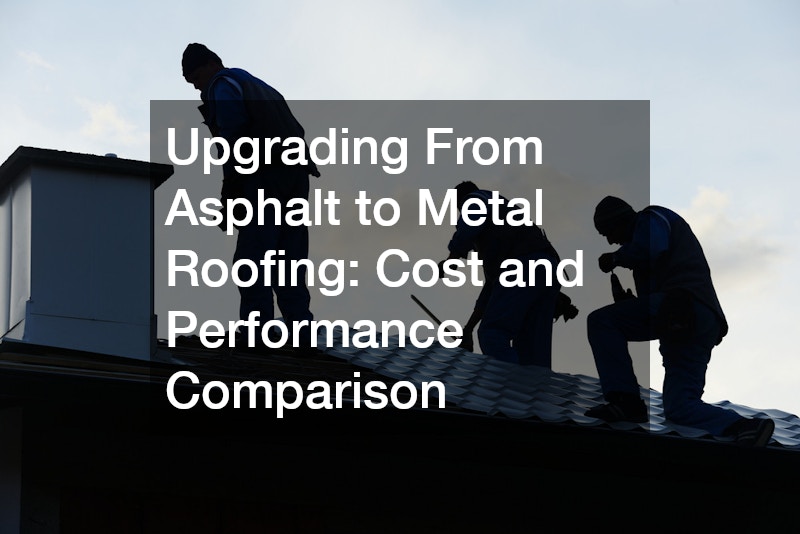
If your asphalt shingles are curling, cracking, or nearing the end of their lifespan, you are probably weighing whether to replace them with more of the same or make the switch to metal. That decision affects your budget, your home’s resale value, and how many more times you will have to deal with a roof replacement in your lifetime. This article breaks down the real costs, lifespan differences, and performance factors so you can decide with confidence rather than guesswork.
Comparing Upfront Installation Costs
Metal roofing carries a higher sticker price than asphalt shingles, and it is important to understand why before you dismiss it as unaffordable. Material costs for standing seam or metal shingle systems typically run two to three times higher than asphalt, translating to roughly $9,000 to $18,000 for a metal roof on an average-sized home versus $5,000 to $9,000 for asphalt shingles covering the same area.
Labor costs are also higher because installation requires specialized skills and tools that many general roofing crews simply don’t have. Standing seam panels, for example, often need to be cut and crimped on-site with specialized equipment, and installers need training in proper fastening techniques to prevent leaks and allow for thermal expansion.
A few other factors can push the price up further. Roof complexity matters a lot — steep pitches, multiple valleys, and dormers increase both material waste and labor hours. The choice of metal also plays a role, since aluminum and steel are generally more budget-friendly than copper or zinc, which can cost significantly more per square foot.
It’s also worth noting that not all metal roofing systems are priced the same. Exposed-fastener panel systems are typically the most affordable entry point, while concealed-fastener standing seam systems command a premium due to their cleaner appearance and superior weather resistance.
Asphalt shingles typically run $4 to $7 per square foot installed, while a metal roof averages $8 to $16 per square foot depending on the panel style, gauge, and finish you choose. Standing seam systems sit at the higher end of that range, while metal shingles and corrugated panels can be more budget-friendly entry points into metal roofing.
That said, the gap has narrowed in recent years as metal roofing has become more mainstream and more residential roofing contractor teams have added it to their service offerings. Increased competition among suppliers, wider availability of coil stock, and more crews trained in metal installation have all helped bring prices down from where they were a decade ago.
When you request quotes, ask for a detailed breakdown of materials, labor, underlayment, and flashing so you can compare apples to apples between asphalt and metal bids. Also ask whether the estimate includes tear-off and disposal of your old roof, since that cost can vary significantly between materials and add hundreds of dollars to either bid. Getting at least three quotes from experienced roofing contractors will give you a more accurate sense of typical pricing in your specific market.
- Asphalt shingle roofs typically cost $4 to $7 per square foot installed, making them the cheaper upfront choice for most homeowners
- A metal roof usually runs $9 to $16 per square foot depending on material (steel, aluminum, or copper), but often includes stronger 30-to-50-year warranties
- Complex rooflines with dormers, valleys, or steep pitches increase labor costs for both materials, though metal panels often require more precise cutting and seaming
- Tear-off and disposal fees apply whether you choose asphalt or metal, typically adding $1,000 to $3,000 depending on roof size and layers being removed
- Some metal roofing systems can be installed directly over existing asphalt shingles, potentially offsetting a portion of the higher material cost
Estimating Lifespan and Long-Term Value
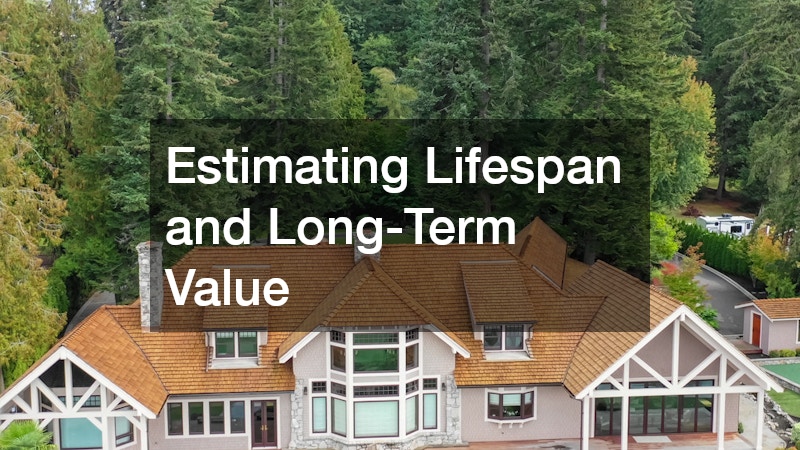
Asphalt shingles generally last between 15 and 25 years depending on climate, ventilation, and installation quality. A metal roof, by contrast, can last 40 to 70 years depending on the material chosen, which means many homeowners who install metal will never need another roof replacement.
When you calculate value over time, divide the total installed cost by the expected number of years the roof will last. Doing this math often reveals that metal roofing costs less per year of service than asphalt, even though the initial investment is larger.
- Asphalt shingles: 15 to 25 year average lifespan
- Standing seam metal: 40 to 60 years
- Metal shingles and stone-coated steel: 30 to 50 years
- Copper and zinc roofing: 60 plus years with proper maintenance
Weighing Energy Efficiency and Utility Savings
Metal reflects solar radiant heat rather than absorbing it, which can lower attic and interior temperatures significantly during summer months. Homeowners in hot climates often see noticeable reductions in cooling costs after switching from asphalt to a reflective metal roof.
Asphalt shingles absorb heat and can raise roof surface temperatures well above ambient air temperature, transferring some of that heat into the attic space. Adding proper insulation and ventilation helps either material perform better, but metal has a structural advantage when it comes to reflecting rather than absorbing solar energy.
- Reflective metal coatings can reduce cooling costs by 10 to 25 percent
- Dark asphalt shingles tend to retain more heat than light-colored metal panels
- Proper attic ventilation improves efficiency regardless of roofing material
- Energy Star rated metal roofing may qualify for utility rebates
Assessing Durability Against Weather and Impact
Metal roofing holds up well against wind, hail, and heavy snow loads, which is one reason insurance companies in storm-prone regions sometimes offer premium discounts for metal installations. Asphalt shingles can crack in extreme cold and are more vulnerable to wind uplift once they age past their midpoint.
Neither material is entirely maintenance-free, so it helps to understand the specific vulnerabilities of each before choosing. Professional roofers who inspect roofs regularly in your area can tell you which material tends to perform better against your region’s specific weather patterns.
- Metal roofs typically carry wind resistance ratings up to 140 mph or higher
- Asphalt shingles can lose granules and curl under prolonged UV exposure
- Metal handles heavy snow load and sheds ice more effectively
- Hail can dent metal panels but rarely causes structural failure
Calculating Maintenance and Repair Expenses
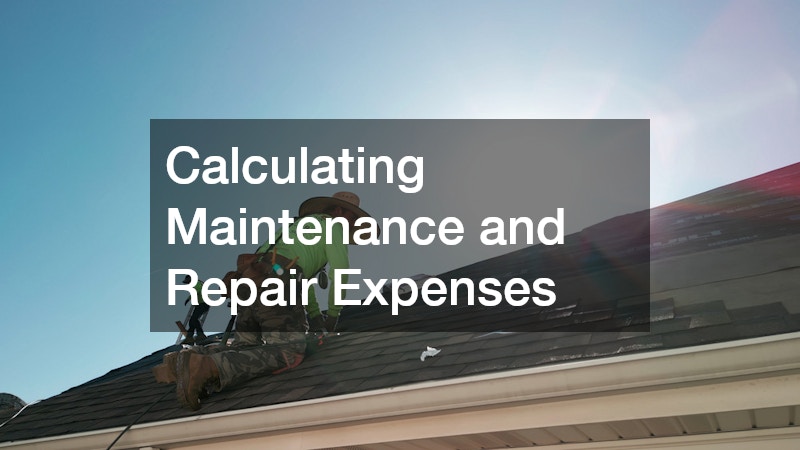
Asphalt roofs require periodic attention such as replacing missing shingles, resealing flashing, and addressing moss or algae growth. These repairs are usually inexpensive individually, but they add up over a 20-year period and often require calling in local roofers for smaller fixes throughout the roof’s life.
Standing-seam and panel systems need less frequent maintenance, though fastener tightening and occasional recoating may be necessary depending on the system installed. Because panels are less prone to granule loss or curling, many homeowners find they spend less overall on repairs across the roof’s lifespan, though it’s still wise to have local roofers inspect seams and flashing points every few years.
- Asphalt shingles may need spot repairs every 5 to 10 years
- Panel fasteners should be checked periodically for loosening
- Moss and algae are more common maintenance issues on asphalt
- Recoating panel finishes every 15 to 20 years can extend service life further
Evaluating Resale Value and Buyer Appeal
A metal roof is increasingly viewed by buyers as a premium feature, similar to updated kitchens or new HVAC systems, because it signals fewer future maintenance costs. Real estate agents in many markets report that homes with metal roofing sell faster and sometimes command higher offers than comparable homes with aging asphalt.
Asphalt still remains a familiar, accepted standard in most neighborhoods, so it will not hurt your home’s marketability if it is newer and well maintained. The bigger risk comes when asphalt shingles are visibly worn, since buyers often factor a looming roof replacement into their offer price.
- Metal roofing can recoup a high percentage of installation cost in resale value
- Buyers often view metal as a lower-maintenance, longer-term investment
- Aging asphalt roofs can become a negotiating point during home sales
- Curb appeal varies by metal panel style, color, and finish
Understanding Installation Complexity and Contractor Selection

Not every roofing crew has experience installing metal panel systems correctly, and improper installation can lead to leaks, oil canning, or premature fastener failure. It is worth taking time to vet roofing contractors specifically for their metal experience rather than assuming any general crew can handle the job. Searching for a local metal roofing contractor with verifiable metal-specific project history is a smart first step toward avoiding these costly mistakes.
Ask potential local roofers how many metal roofs they have completed, whether they carry manufacturer certifications, and if they can provide references from similar projects. A strong contractor with a solid track record will be transparent about their process and willing to walk you through panel options, seam types, and fastening methods.
- Ask for manufacturer certification or training documentation
- Request references from homeowners with similar metal roof installations
- Confirm experience with your specific panel type, such as standing seam or corrugated
- Get a written warranty that covers both materials and workmanship
Weighing Environmental Impact and Recyclability
Asphalt shingles are petroleum-based products that typically end up in landfills once removed, since recycling infrastructure for them remains limited in many areas. Metal roofing, by comparison, is often made from a significant percentage of recycled content and is fully recyclable at the end of its service life.
If sustainability factors into your decision, metal offers a clear advantage both in production and disposal. Some manufacturers now advertise recycled steel or aluminum content percentages, so it is worth asking about this when comparing product lines.
- Metal roofing is commonly 25 to 95 percent recycled content depending on the manufacturer
- Asphalt shingles contribute millions of tons of roofing waste to landfills annually
- Metal panels are 100 percent recyclable at the end of their lifespan
- Some regions offer incentives for choosing sustainable building materials
Choosing the Right Fit for Your Budget and Timeline

The choice between asphalt and metal roofing depends on your stay duration, budget, and maintenance priorities. The decision is both constructional and financial and should align with your actual living timeline. If planning to sell within a few years, consider asphalt for its lower upfront costs. It’s sensible as buyers generally accept asphalt shingles in good condition. Metal roofs may not yield returns in a short duration due to their higher costs offset by long-term savings.
Budget is crucial. Asphalt costs $4-$7 per square foot installed, while metal ranges from $9-$16 or more, depending on materials. If the budget stretch involves high-interest debt, asphalt’s cost-effectiveness might prevail over metal’s prolonged benefits. For long-term stays of over 20 years or challenging climates involving heat, snow, or fire risks, metal’s durability warrants the extra expense. Consider your climate, resale plans, and finances comprehensively.
A local roofing company can provide a cost comparison tailored to your home’s specifics, like size, roof pitch, and regional climate. They will also assess roof layers, structural capacity, and potential needs for ventilation or underlayment changes for metal roofing. Getting multiple quotes for roofing services before committing ensures you understand the full range of options rather than settling on the first estimate you receive. Aim for at least three quotes, and ask each contractor to break down material costs, labor, and warranty terms separately so you can compare apples to apples.
Your timeline matters just as much as your budget. If your asphalt shingles are already failing, you may need a faster, lower-cost fix now with a plan to upgrade to metal down the road, whereas a proactive replacement gives you more room to shop around and finance a long-term investment.
- Consider how many more years you plan to live in your current home — if it’s under 5 years, asphalt’s lower upfront cost may make more financial sense
- Factor in financing options like home equity loans or manufacturer financing plans if metal’s higher price tag feels prohibitive upfront
- Ask local roofing services about phased or partial roofing projects, such as replacing one section per year, if a full replacement isn’t immediately feasible
- Request itemized quotes that break down materials, labor, and warranty coverage to compare true long-term value across asphalt and metal
- Check whether your roof’s current structure can support metal without added reinforcement, which can affect both timeline and budget
Choosing between asphalt and metal ultimately comes down to balancing upfront cost against decades of performance, efficiency, and maintenance savings. Take time to gather multiple quotes, ask detailed questions about installation experience, and think honestly about how long you plan to stay in your home. Whichever direction you lean, working with an experienced, well-reviewed contractor will make the biggest difference in how your new roof performs for years to come.