Every home reaches a tipping point where quick fixes and minor patch-ups no longer suffice. Creaky floorboards and outdated paint are easy to overlook, but invisible inefficiencies beneath the surface quietly drain your bank account. High monthly utility bills, rooms that refuse to stay cool in the summer, flickering lights, and sluggish drains are subtle warning signs that your primary home systems are aging out.
For decades, standard homeownership logic leaned toward reactive maintenance—waiting for a water heater to burst or an air conditioner to die in the middle of a heatwave before taking action. Modern home management flips this script. Modernizing your home systems is a strategic investment in proactive energy efficiency, structural integrity, and long-term asset protection.
When you upgrade foundational infrastructure, you create a compound effect. A tightly sealed building envelope reduces the workload on your heating and cooling equipment. Upgraded electrical infrastructure safely supports energy-dense modern technology like heat pumps and electric vehicles. Optimized plumbing prevents catastrophic water damage while conserving gallons of wasted water daily. By tackling these projects strategically, you can transform your living space into a high-performance, cost-effective sanctuary.
Eliminating Drafts and Moisture Infiltration to Protect Thermal Performance
Your home’s building envelope—the physical barrier separating the conditioned interior air from the outdoor elements—is its first line of defense. When this envelope is compromised, warm air escapes during the winter and hot air seeps in during the summer. This forces your climate control equipment to run continuously just to maintain a baseline level of comfort, raising energy consumption and shortening equipment lifespans.
Air leaks commonly form around windows, entry doors, electrical outlets on exterior walls, and framing joints. A simple diagnostic step involves booking a professional blower door test or performing a thermal imaging scan. These tests highlight invisible temperature differentials, exposing exact locations where outdoor air penetrates your home.
Upgrading single-pane or outdated double-pane glass is one of the most effective ways to stabilize interior temperatures. Modern multi-pane units feature low-emissivity coatings and argon gas fills that dramatically reduce radiant heat transfer. Partnering with specialists who understand local climate demands ensures that your new window replacement project delivers maximum thermal resistance and airtight sealing.
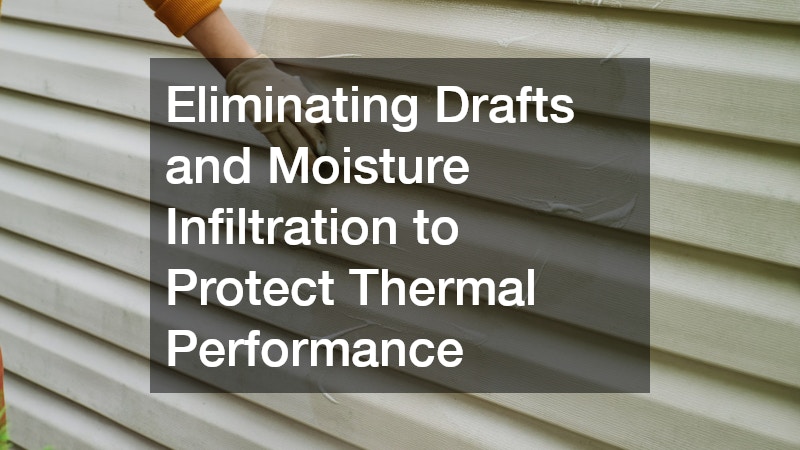
Beyond glass, your exterior walls play a massive role in thermal defense. Old, cracked cladding allows wind to bypass insulation layers and trapped moisture to degrade structural framing. Inspecting your exterior siding for warping, gaps, or mold growth will reveal whether your insulation envelope is failing. Consulting established siding companies allows you to explore advanced insulated siding options, which add a continuous layer of exterior insulation directly over the studs, eliminating thermal bridging across wall framing.
To maximize your home envelope upgrades, prioritize the following actions:
- Inspect all exterior caulking around window frames and door frames annually, replacing cracked or dried sealant with high-grade elastomeric sealant.
- Upgrade weatherstripping along exterior door thresholds to prevent air gaps along the floor.
- Add continuous exterior insulation underneath new siding to reduce thermal bridging through wood studs.
- Ensure that wall penetrations for outdoor faucets, dryer vents, and electrical lines are completely sealed with expanding spray foam.
Upgrading Power Distribution for Modern Electronics and Clean Energy Loads
The way we power our lives has fundamentally changed over the past twenty years. Older homes were typically engineered for a 100-amp electrical panel, designed to handle basic lighting, a refrigerator, and a few small kitchen appliances. Today’s households run high-draw electronics, modern induction cooktops, high-efficiency heat pumps, and home chargers for electric vehicles.
Attempting to run a modern, high-efficiency lifestyle on an outdated electrical grid creates bottlenecks and safety hazards. Tripped breakers, dimming lights when high-draw appliances kick on, and warm switch plates indicate that your system is overloaded. Modernizing your electrical panel to 200 amps or higher is often the essential precursor to any larger home efficiency project.
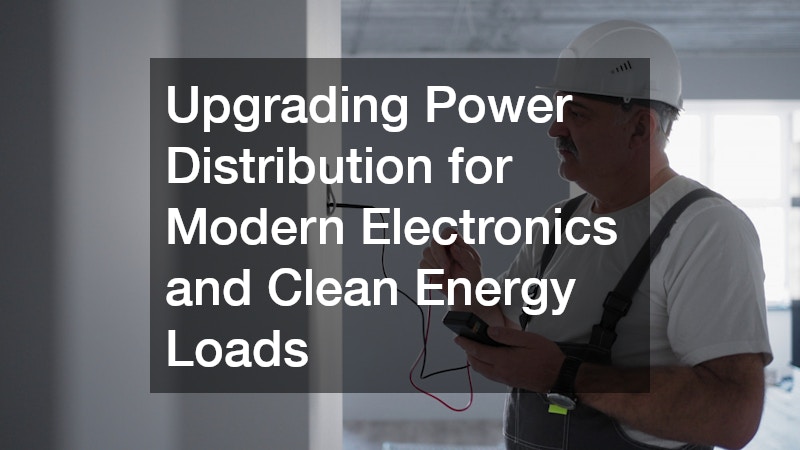
Working with licensed local electricians ensures that your electrical service panel meets modern safety standards while laying the foundation for smart home technology. Professional electricians can evaluate your home’s grounding systems, install ground fault circuit interrupters in wet areas, and add panel-level surge protection to safeguard sensitive electronics against power spikes.
Once your foundational panel is secure, you can explore comprehensive residential electrical services to install energy management systems. Smart circuit panels and energy monitors (such as Sense or Span systems) provide real-time data directly to your smartphone, tracking exactly how much electricity individual appliances consume. This visibility helps you identify energy vampires—older appliances drawing phantom loads—and optimize power usage during off-peak utility hours.
Key steps for modernizing your electrical system include:
- Schedule a whole-home electrical audit to verify panel capacity and identify outdated wiring like knob-and-tube or ungrounded copper systems.
- Install a main-panel surge suppressor to protect smart appliances, home computers, and climate control boards from electrical surges.
- Consider installing sub-panels or dedicated 240V circuits to prepare your garage or mechanical room for electric vehicles or heat pump retrofits.
- Replace standard toggle switches with smart, dimmable switches to schedule and automate lighting across high-use zones.
Maximizing HVAC Efficiency with High-SEER Equipment and Duct Optimization
Heating and cooling account for over half of the average home’s total energy consumption. If your heating and air conditioning units are more than twelve to fifteen years old, they are likely operating at significantly lower efficiency levels than modern standard units. Older systems rely on fixed-speed compressors that run at full power regardless of whether your home needs a gentle temperature adjustment or a major drop in temperature.
When your cooling system begins blowing warm air, making grinding noises, or cycling on and off rapidly, you must choose between repair and replacement. While immediate air conditioning repair can solve minor component failures like faulty capacitors or low refrigerant levels, repeatedly patching an aging system offers diminishing returns. Modern units feature variable-speed compressors and high seasonal energy efficiency ratio (SEER2) ratings, allowing them to scale their power up or down dynamically to maintain a stable indoor temperature while using a fraction of the electricity.
Proper installation is just as critical as equipment choice. Working with an experienced HVAC contractor ensures that your system is properly sized using Manual J load calculations. Sizing equipment based purely on square footage often leads to oversized units that short-cycle, failing to dehumidify the air properly and creating uncomfortable temperature swings.
In addition to upgrading mechanical units, your air distribution network requires attention. Unsealed, uninsulated ductwork running through unconditioned basements or attics can leak up to 30% of conditioned air before it ever reaches your living space.
Focus on these strategies to optimize your indoor air and climate controls:
- Replace mechanical air filters every 60 to 90 days to maintain unobstructed airflow across the evaporator coils and prevent motor strain.
- Have your ductwork professionally pressure-tested and sealed with mastic or Aeroseal technology to eliminate air losses in unconditioned spaces.
- Install a smart, learning thermostat that automatically lowers heating or cooling demands when the household is away or sleeping.
- Incorporate heat recovery ventilators or energy recovery ventilators to bring fresh outdoor air inside without sacrificing thermal efficiency.
Preventing Water Loss and System Strains Through Proactive Maintenance

Water efficiency is often overlooked during home modernization efforts, yet plumbing leaks and inefficient hot water generation can silently drain hundreds of dollars from your annual budget. Traditional tank-style water heaters continuously burn fuel or pull electricity to heat 40 to 50 gallons of standing water 24 hours a day.
Transitioning to modern water heating systems—such as tankless gas units or hybrid heat pump water heaters—eliminates standby heat loss. Heat pump water heaters use electricity to transfer heat from the surrounding air into the water tank, operating up to three times more efficiently than standard electric tanks.
Beyond water heaters, your piping network demands attention. Over time, internal mineral scale builds up inside supply lines and drain pipes, restricting flow and putting unnecessary pressure on joint connections. Engaging a certified plumbing company to audit your water lines, test static water pressure, and install low-flow fixtures helps maintain steady, safe pressure without sacrificing user comfort. High water pressure (above 80 PSI) can accelerate wear on appliances like washing machines and dishwashers, causing early failure.
Drain lines require equal diligence. Organic waste, grease, and hair accumulation lead to partial blockages that force pumps and disposals to work harder while risking backup damage. Scheduling preventative drain cleaning services uses high-pressure hydro-jetting or motorized augers to clear internal pipe walls without relying on harsh, corrosive chemical drain cleaners that eat away at metal and PVC pipe joints over time.
Prioritize these high-impact plumbing upgrades:
- Install a main line pressure-reducing valve to keep water pressure within an optimal range of 50 to 60 PSI.
- Replace standard showerheads and faucet aerators with high-efficiency models designed to reduce flow rates without dropping water pressure.
- Insulate exposed hot water pipes with foam pipe sleeves to retain heat as water travels from the heater to the faucet.
- Install smart water leak detectors near water heaters, washing machines, and under sinks to automatically shut off the main water valve if a leak occurs.
Enhancing Attic Ventilation and Weather Shielding to Reduce Energy Strain
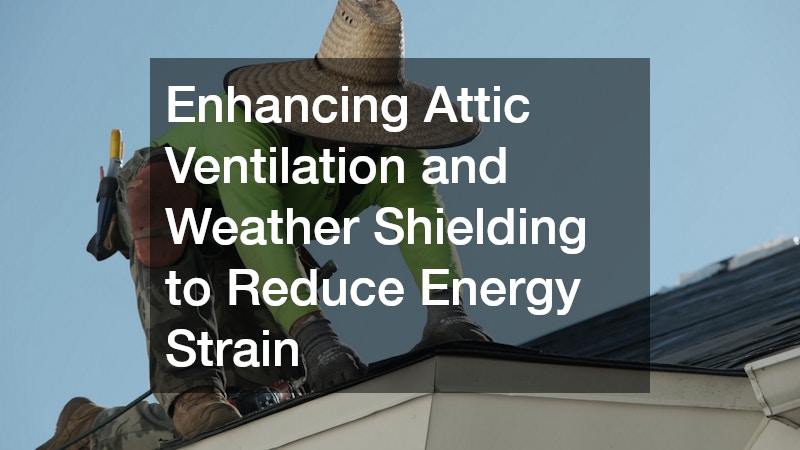
Your roof is your home’s top-level defense against solar radiation, wind, ice, and driving rain. While many homeowners treat their roof purely as an aesthetic shield, its structural integrity and ventilation system directly dictate the thermal efficiency of the entire living space below.
During summer months, radiant solar energy bakes down on roofing shingles, raising attic temperatures up to 150 degrees Fahrenheit if air circulation is inadequate. This trapped heat radiates downward through the attic floor insulation, heating up second-story ceilings and forcing your cooling system to work overtime. In winter, inadequate attic ventilation allows warm, moist air from the living space to collect under the roof deck, leading to condensation, mold growth, and ice dams.
Keeping up with targeted roof repairs as soon as cracked shingles, damaged flashing, or sealant degradation appear prevents water from penetrating the underlayment and saturating attic insulation. Wet insulation loses its thermal resistance entirely, creating a direct path for heat loss and gain.
When it comes time to replace an aging roof, partner with a fully insured roofing contractor who understands balanced ventilation design. A high-performance roof system combines continuous ridge vents along the peak with soffit vents along the eaves, establishing a natural stack effect that draws cool, fresh air through the soffit and expels hot, humid air out the top.
To protect your roof deck and optimize attic insulation, consider these essential practices:
- Inspect your attic insulation depth to ensure it meets recommended R-value standards for your climate zone (typically R-49 to R-60).
- Ensure soffit vents remain completely clear of blown-in insulation by installing durable plastic or cardboard insulation baffles.
- Apply a radiant barrier to the underside of roof rafters in warm climates to reflect up to 97% of radiant heat away from the attic space.
- Schedule a biannual roof inspection after severe winter storms or high-wind events to catch minor flashing or shingle damage early.
Modernizing your home’s primary systems enhances long-term comfort, safety, and financial efficiency by upgrading critical components to boost performance and reliability. By improving your building envelope—walls, windows, and doors—you can enhance insulation and reduce energy leakage. Upgrading electrical systems may involve installing advanced wiring and circuit breakers that support modern energy demands and smart technology. Additionally, updating HVAC systems ensures efficient and reliable climate control, contributing significantly to indoor comfort. Plumbing upgrades, such as using modern piping materials, prevent leaks and improve water quality and pressure. Finally, a high-quality roofing assembly protects from the elements and prevents costly repairs. These upgrades transform maintenance into a high-performing investment, minimizing energy waste and maximizing reliability, offering peace of mind and cost savings.
Modernizing your home starts with assessing your current infrastructure’s strengths and weaknesses. Whether through an energy audit or addressing urgent issues like a faulty furnace or roof leaks, a phased approach yields the best results. An energy audit pinpoints energy consumption and potential efficiencies, guiding impactful improvements. Investing in these systems prevents rising utility costs, structural failures, and breakdowns, ensuring your home remains comfortable and efficient, enhancing its value and your quality of life.