Preparing your home for the winter months is one of the most vital maintenance routines a homeowner can undertake. As temperatures drop and severe weather approaches, taking proactive steps to safeguard your house against freezing temperatures, heavy snow, and high heating demands prevents structural damage and reduces costly emergency repairs. A comprehensive winterization strategy addresses both indoor comfort and outdoor protection, keeping your living space warm, safe, and energy efficient throughout the coldest season. By investing time in autumn home maintenance, you safeguard your property value and ensure peace of mind for the months ahead.
Essential Exterior Preparations
Inspecting and Protecting Your Roof and Gutters
Winter weather places significant strain on roofing systems. Snow accumulation, ice formation, and freezing temperatures can quickly expand small existing cracks into major structural leaks. Inspecting your roof prior to the first freeze is vital for identifying missing, damaged, or aging shingles that could compromise the integrity of your home. Clear out all leaves, twigs, and accumulated debris from gutters and downspouts. When gutters are blocked, melting snow cannot drain properly and can freeze into heavy ice dams. These ice formations force water back under the roof shingles, leading to costly indoor water damage. Ensure that all downspouts extend away from the foundation of your residence to prevent pool formation and structural freezing hazards.
Securing the Foundation and Preventing Water Intrusion
Controlling how moisture interacts with your foundation during the winter months is essential to preventing frost heaves and foundation cracks. Ground freezing creates soil expansion, which pushes against basement walls and foundational structures. Inspect the perimeter of your house for any visible cracks or gaps in the concrete, sealing them with high-grade outdoor masonry caulk. Proper slope around your home directs water away from your foundation before the ground freezes solid. Installing or managing systems for drainage control ensures that melting snow drains harmlessly away, mitigating the risk of basement flooding during rapid winter thaws. Inspect sump pumps to ensure they are fully operational before frozen ground conditions set in.
Winterizing Outdoor Plumbing and Fixtures
Water expands as it freezes, which makes outdoor plumbing high-vulnerability targets during cold spells. Hose bibs, exterior faucets, and underground irrigation lines must be completely drained before freezing temperatures arrive. Disconnect, drain, and store all outdoor hoses indoors to prevent trapped water from expanding and bursting internal fittings. Shut off the interior water valves that feed exterior spouts, then open the outdoor taps to allow any remaining moisture to escape. Exterior pipe insulation sleeves should be installed around any exposed pipes in unheated spaces such as crawlspaces, garages, or basements to prevent catastrophic burst pipes.
Optimizing Yard and Landscape Health
Preparing Trees, Shrubs, and Garden Beds
Winter weather presents severe conditions for outdoor flora, making autumnal garden care essential for long-term plant health. Prune dead, diseased, or overgrown tree branches that could snap under the heavy weight of snow and ice, potentially damaging your home or utility lines. Perennials should be cut back to ground level, and delicate bushes can be wrapped in breathable burlap to shield them from freezing winds and harsh conditions. Applying organic ground cover around plant bases helps insulate root systems from extreme temperature fluctuations. Sourcing fresh mulch supplies allows you to apply a thick layer over garden beds, maintaining moisture levels and shielding vulnerable roots throughout the cold season.
Protecting Structural Landscaping and Outdoor Spaces
Patios, walkways, retaining walls, and paved surfaces require proactive protection against freeze-thaw cycles that cause cracking and shifting. Sweep clear all debris from brick, stone, or concrete surfaces to prevent staining and moisture trapping. Sealing concrete and paver joints stops water from penetrating the porous material and expanding when temperatures drop below freezing. Hiring a professional hardscaping service guarantees that stone features, pavers, and retaining walls are properly inspected and sealed to endure the severe winter climate. Promptly repairing loose stones or unstable steps prevents hazardous slipping hazards when ice coats exterior surfaces.
Professional Assistance for Major Outdoor Projects
Complex property preparations often require specialized equipment and professional experience to achieve long-term durability. Professional contractors evaluate terrain challenges, soil composition, and weather exposure to implement lasting winterization solutions. Collaborating with qualified hardscaping contractors helps homeowners fortify their exterior structures against moisture damage, severe weather patterns, and frost distortion. Expert care ensures that expensive outdoor investments survive harsh winter elements without structural degradation. Engaging experts before cold weather locks the ground allows for necessary structural improvements to be executed smoothly.
Long-Term Exterior Design and Maintenance Strategies
Winterizing your yard is also the ideal time to evaluate the overall flow, utility, and aesthetic of your property for the coming spring season. Taking time to assess how water flows across your property during heavy snowmelts helps identify areas that need structural modification or redesigned plant layouts. Partnering with an experienced landscaping company allows you to create comprehensive plans for season-long property management and storm resilience. Utilizing professional landscape design ensures that future plantings, retaining walls, and outdoor living features are strategically placed to withstand extreme winter conditions while boosting curb appeal.
Caring for Lawns and Ground Cover
Turf Care and Fall Fertilization Techniques
Preparing your lawn for the winter is critical to ensuring rapid green-up and healthy root growth when spring arrives. Late autumn is the ideal time to aerate your lawn, pulling small plugs of soil to relieve compaction and allow water, oxygen, and nutrients to reach deep into root systems. Applying a winterizer fertilizer high in potassium and phosphorus strengthens root systems against freezing stress. Keeping grass mowed slightly shorter during the final cuts of autumn prevents the grass blades from matting down under heavy snowpack, which reduces the risk of destructive snow mold fungus developing underneath.
Applying Protective Layering for Soil and Roots
Protecting soil structure and sensitive plant bases during the winter requires thoughtful insulation techniques. Unprotected soil experiences severe erosion, nutrient loss, and extreme temperature swings when exposed to frost and freezing winds. Ordering through local mulch delivery services makes it easy to acquire the necessary volume of organic material needed to protect large garden beds and tree roots. Spreading a fresh three-inch layer of material provides a stable thermal blanket that preserves soil moisture, prevents frost heaving, and reduces soil erosion caused by winter runoff.
Utilizing Specialized Property Care Services
Maintaining vast residential properties or complex garden structures through severe winters often calls for dedicated ongoing labor. Comprehensive seasonal yard care mitigates the stress of heavy winter prep, allowing property owners to protect their botanical investments without manual strain. Enlisting a professional mulching service ensures that ground covers are distributed evenly at the correct depths, preventing root suffocations while providing optimal protection against freezing temperatures. Consistent ongoing maintenance yields healthier soil structure and vibrant growth when warm weather returns.
Maintaining Winter Equipment and Driveways
Servicing Driveways and Walkway Surfaces
Driveways and concrete footpaths endure high stress from constant snow accumulation, ice formation, and deicing chemicals. Inspecting asphalt and concrete driveways for cracks prior to the first snowfall prevents water from seeping into fissures, where it expands upon freezing and creates wide potholes. Fill all driveway cracks with high-grade rubberized cold-pour asphalt filler or masonry sealant. Ensure that deicing agents used on your property are safe for your specific surface material, as calcium chloride and rock salt can pit unsealed concrete and damage surrounding lawn turf.
Preparing Heavy Snow Clearing Machinery
Snow removal equipment must be inspected, serviced, and tested well before the first major winter storm hits your area. Small engines require fresh oil, new spark plugs, clean air filters, and fresh fuel treated with a fuel stabilizer to prevent gumming in the carburetor. Inspect all operational parts on heavy equipment for wear, rust, or loose hardware to prevent sudden mechanical failures during critical weather events. Replacing worn snow plow blades on large clearing equipment guarantees efficient snow removal without causing accidental damage to underlying driveway surfaces.
Storing Seasonal Tools and Vehicles
Proper storage of non-winter equipment prevents corrosion and operational failure when spring arrives. Lawn mowers, string trimmers, and leaf blowers should be thoroughly cleaned of caked-on grass and dirt before being stored in a dry, covered space. Drain fuel tanks or add stabilizer to protect fuel lines from degradation during months of disuse. Vehicles, recreational equipment, and lawn tractors stored outdoors or in unheated structures need physical barriers to shield them from moisture, UV rays, and ice buildup. Heavy-duty bed covers shield open utility beds from accumulating snow and ice, preventing rust and mechanical degradation.
Enhancing Thermal Efficiency Indoors
Sealing Doors, Windows, and Air Leaks
Exposed drafts around window frames, exterior doors, and attic hatches are major culprits behind high winter heating bills. Drafty homes force heating systems to run constantly to maintain comfortable interior temperatures. Inspect window frames and exterior door jambs for gaps, replacing dried or cracked caulk with fresh silicone sealant. Install weatherstripping along door thresholds and windowsills to create an airtight seal when closed. Simple fixes like adding foam gaskets behind electrical outlet faceplates on exterior walls prevent cold air from entering your living spaces.
Optimizing HVAC Systems and Air Filtration
Your home heating system works hardest during the sub-zero temperatures of deep winter. Schedule a professional HVAC inspection early in the fall to ensure your furnace or heat pump is operating at peak efficiency and safety. Change air filters monthly during peak heating months to ensure smooth airflow and maintain high indoor air quality. Clean heating vents, radiators, and baseboard heaters to remove dust buildup that hinders heat distribution. Inspect ductwork in unheated areas like basements or attics, sealing air leaks with metal foil tape to stop heat loss.
Insulating Water Pipes and Water Heaters
Uninsulated water pipes lose significant heat as warm water travels from the heater to your faucets, increasing energy consumption. Wrapping accessible hot water pipes with pre-slit foam insulation sleeves reduces heat loss and keeps water hotter at lower thermostat settings. Insulating the hot water tank with a specially designed fiberglass blanket minimizes standby heat loss, particularly for older water heater models located in unheated basements. Set your water heater temperature to 120 degrees Fahrenheit to optimize energy efficiency without sacrificing comfort.
Home Interior and Appliance Prep
Servicing Fireplaces and Chimneys
Wood-burning stoves and open fireplaces provide comforting warmth, but they can pose serious fire hazards if not properly maintained. Before lighting the first fire of the season, hire a certified chimney sweep to remove creosote buildup and inspect the flue for blockages or animal nests. Creosote is a highly flammable byproduct of wood combustion that can trigger dangerous chimney fires if left untreated. Check the operation of the fireplace damper to ensure it closes tightly when the fireplace is not in use, preventing warm room air from escaping up the chimney.
Reversing Ceiling Fans and Managing Heat Distribution
Ceiling fans are valuable tools for distributing heat efficiently throughout your living spaces during cold months. Most ceiling fan units feature a small direction switch on the motor housing that changes blade rotation. Reversing your fan blades to rotate clockwise at low speeds creates a gentle updraft. This movement forces warm air that rises to the ceiling back down into the living zone without creating a cooling breeze. This simple adjustment improves thermal distribution and reduces furnace cycle frequency.
Upgrading Thermal Window Coverings
Bare glass windows act as thermal bridges, drawing heat out of your warm interior and radiating cold air back into the room. Installing heavy, insulated curtains or cellular thermal shades adds a functional layer of insulation to window openings. Keeping window coverings open during sunny winter days allows natural solar heat to warm your rooms naturally. Closing shades as soon as the sun sets traps that absorbed warmth inside, lowering energy bills and creating a cozy indoor environment.
Winter Safety and Emergency Readiness
Testing Smoke and Carbon Monoxide Detectors
With doors and windows tightly sealed and heating appliances running continuously, indoor air safety becomes a top home priority. Carbon monoxide is an odorless, colorless gas generated by malfunctioning combustion appliances like furnaces, gas fireplaces, and water heaters. Test all smoke and carbon monoxide detectors throughout your residence, replacing batteries in every unit regardless of age. Ensure that alarms are installed on every level of the home, especially outside sleeping areas, to provide early warnings in an emergency.
Assembling Emergency Power and Heating Supplies
Severe winter weather often brings heavy ice accumulation and high winds that knock out electrical power lines for extended periods. Preparing an emergency winter supply kit ensures your household stays safe and comfortable during prolonged outages. Stock up on non-perishable food, bottled water, heavy blankets, battery-powered flashlights, and a first-aid kit. If you rely on a portable generator for backup power, run it through a test cycle and store fresh fuel safely outdoors in approved containers.
Creating Safe Ingress and Egress Routes
Keeping pathways, steps, and driveways safe for family members and service workers is vital during freezing weather events. Ensure clear access paths from your main doors to parking areas by stocking up on pet-safe ice melt, sand, or non-clumping kitty litter for traction. Keep sturdy snow shovels stored near exterior doors so you can clear pathways easily without tracking snow inside. Installing temporary reflective markers along driveway edges and walkway borders helps guide snow clearing efforts during dark winter blizzards.
Final Checklist for Winter Readiness
Preparing a residential property for cold weather demands a proactive approach that protects structural integrity, ensures mechanical efficiency, and guarantees household safety. Taking time to inspect exterior structures, clear drainage pathways, service heating appliances, and stock up on winter supplies shields your home from catastrophic cold-weather damage. By executing these essential maintenance steps throughout the autumn months, you create a warm, energy-efficient indoor environment and secure your valuable property investments against the harshest elements of the winter season.
Preparing your living space for the arrival of freezing temperatures and heavy precipitation is one of the most vital tasks a homeowner can undertake each year. As autumn draws to a close, cold drafts, freezing pipes, and severe precipitation threaten both the structural integrity of your property and your monthly utility budget. Taking a proactive approach toward home winterization prevents costly emergency repairs, optimizes indoor thermal performance, and maintains a comfortable living environment for your family throughout the coldest season.
Beyond interior comfort, the exterior parameters of your property require equal attention to withstand severe frost and winter storms. Snow accumulation, ice dams, and freezing soil conditions can easily damage unchecked roofs, grounds, and foundations. By systematic evaluation of both the interior envelope and exterior structural grounds, you create an effective defense against winter hazards. The following comprehensive guide provides the necessary actionable insights to safeguard your property from top to bottom.
Fortifying the Building Envelope

Sealing Gaps and Cracks Around Doors and Windows
Drafty doors and windows represent one of the primary sources of residential heat loss during cold seasons. Inspect the perimeter of every window frame and exterior door for gaps where cold air enters or warm air escapes. Apply exterior-grade silicone caulk to fix non-moving joints and replace worn weatherstripping around moveable sashes and door frames.
-
Install heavy-duty door sweeps on all exterior entryways to block cold floor-level drafts.
-
Apply clear insulation film over older single-pane windows to create an insulating air barrier.
-
Inspect window locking mechanisms to ensure a tight seal against exterior gaskets.
Optimizing Attic Insulation Depth and Coverage
Heat naturally rises, making an under-insulated attic a major driver of elevated heating costs and ice dam formation on the roofline. Measure the depth of your current attic insulation to ensure it meets recommended modern efficiency standards for your climate zone. Fiber, cellulose, or spray foam insulation should form an unbroken thermal blanket across the entire floor of the attic space, covering floor joists completely.
-
Keep attic soffit vents clear of insulation materials to maintain proper ventilation airflow.
-
Seal around recessed lights, chimney flues, and access hatches before adding insulation.
-
Replace torn or displaced insulation batts to maintain continuous coverage.
Servicing the HVAC System and Furnace
Your heating system works hardest during the winter, making early maintenance vital for reliability and energy efficiency. Schedule an annual inspection with a certified technician to clean burner assemblies, verify heat exchanger integrity, and test safety controls. Clean air filters prevent system strain, ensuring consistent airflow throughout the residence.
-
Change standard furnace filters every thirty to sixty days throughout the heavy heating season.
-
Clear furniture, curtains, and floor coverings away from supply and return air vents.
-
Test your central thermostat to confirm accurate temperature sensing and schedule programming.
Protecting Plumbing and Water Systems

Insulating Exposed Interior and Exterior Pipes
Freezing temperatures pose an immediate threat to residential plumbing lines located in unheated areas such as basements, crawl spaces, attics, and garages. Water expands as it freezes, creating immense hydraulic pressure that can split copper, PEX, or PVC pipes. Wrap all exposed supply lines with foam pipe insulation sleeves or self-regulating heat tape to prevent freeze events.
-
Pay close attention to pipes running along uninsulated exterior walls.
-
Seal external wall penetrations where utility lines enter the building structure.
-
Keep cabinet doors open beneath sinks during extreme cold spells to allow warm air circulation.
Draining Exterior Faucets and Sprinkler Systems
Water trapped in outdoor spigots, garden hoses, and underground irrigation lines will expand when frozen, causing ruptured valve bodies and burst underground lines. Disconnect, drain, and store all garden hoses indoors before the first hard freeze hits your area. Shut off the interior water supply valves leading to outdoor spigots, then open the exterior valves to drain remaining water.
-
Blow out underground sprinkler lines using compressed air to remove standing water completely.
-
Install insulated foam covers over exterior spigot fixtures for an extra layer of frost protection.
-
Drain garden hose reels completely before storing them in an unheated shed or garage.
Monitoring Water Heater Performance and Health
Your water heater experiences increased workload during cold months due to lower incoming municipal water temperatures. Flush the water heater tank to remove accumulated sediment, which reduces heating efficiency and accelerates tank corrosion. Adjust the thermostat temperature to one hundred twenty degrees Fahrenheit for an optimal balance of efficiency and sanitation.
-
Wrap older hot water tanks with an insulating fiberglass blanket to lower standby heat loss.
-
Inspect the pressure relief valve to confirm proper operation and prevent over-pressure risks.
-
Check around the base of the tank for subtle leaks or signs of active moisture corrosion.
Roof and Gutter Maintenance
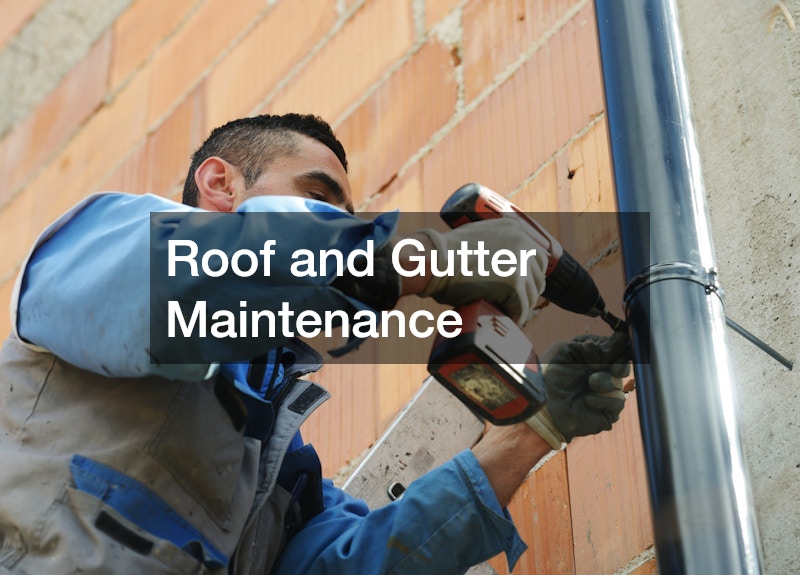
Cleaning Gutters and Downspouts
Full gutters filled with autumn leaves and debris block melting snow from draining properly off the roof surface. When trapped water freezes, it forms heavy ice dams that lift shingles and cause water to back up directly into attic spaces and interior ceilings. Clean all gutters completely late in autumn after the majority of foliage has fallen from nearby trees.
-
Flush downspouts with a garden hose to verify that water flows freely out the bottom exit.
-
Extend downspout discharge outlets at least five feet away from the foundation walls.
-
Install gutter guards to reduce future debris accumulation and lower maintenance demands.
Inspecting Shingles and Roof Flashing
Roofing structures face heavy loads from snow accumulation, wind, and driving ice. Conduct a ground-level inspection using binoculars, or hire a professional to examine the condition of your shingles and roof penetrations. Replace any cracked, curled, or missing shingles immediately to prevent moisture penetration during heavy winter storms.
-
Examine step flashing around chimneys, skylights, and vent pipes for gaps or deteriorated caulk.
-
Check valley areas for signs of excessive wear or missing protective granule layers.
-
Trim overhanging tree branches that could snap under heavy ice loads and damage shingles.
Checking Chimney and Fireplace Integrity
Wood-burning fireplaces and stoves provide cozy heat, but they present fire hazards if neglected. Creosote accumulation inside the flue can ignite and trigger dangerous chimney fires during intense winter use. Have a certified chimney sweep clean and inspect the flue liner, damper, and masonry work before lighting your first fire of the season.
-
Ensure the chimney cap mesh screen is intact to keep animals and debris out of the flue.
-
Check that the damper seals tightly when closed to prevent warm indoor air loss.
-
Store firewood outdoors away from the home structure, elevated off the bare ground.
Exterior Property and Grounds Care

Preparing Lawn and Garden Beds
Proper late-season yard care ensures a vibrant green recovery once spring arrives. Perform a final lawn mowing at a slightly lower cutting height to prevent snow mold development under winter snow covers. Rake away damp leaf mats that smother turf grass, and aerate compacted soil to encourage healthy root development through the dormant winter period.
-
Apply a high-potassium winterizer fertilizer to strengthen grass roots against freezing stress.
-
Clean and sharpen garden tool edges before oiling metal parts for winter storage.
-
Turn off and drain outdoor garden fountains or decorative pond pumps.
Protecting Soil and Sensitive Plants
Perennials, shrubs, and exposed garden beds require defense against severe frost heaving and moisture loss caused by cold winds. Applying protective organic layers over exposed plant roots buffers ground temperatures and retains crucial subsoil moisture. Ordering fresh organic materials through local mulch delivery services allows you to blanket vulnerable garden beds before severe weather settles in.
-
Spread a three-inch layer of bark across exposed root zones to buffer temperature swings.
-
Source high-quality bulk cover materials directly from reliable mulch supplies in your region.
-
Wrap tender broadleaf evergreen shrubs in burlap frames to prevent winter sunscald damage.
Enhancing Soil and Foundation Coverage
Ensuring your garden soil remains covered prevents topsoil erosion from winter rain and melting snow. A comprehensive mulching service applies protective organic matter systematically around vulnerable plants, preventing deep soil freezing. Taking steps to maintain proper soil cover safeguards foundation perimeters from extreme freeze-thaw cycles that destabilize the ground.
-
Keep protective soil coverings several inches away from direct contact with house siding.
-
Distribute organic matter evenly over flower beds to prevent frost heaving of perennial bulbs.
-
Refresh structural borders around tree rings to maintain clear, tidy bed edges through winter.
Driveway, Walkway, and Hardscape Care
Repairing Paved Surfaces and Hardscapes
Freezing water expanding inside tiny masonry cracks causes severe surface scaling and structural fracturing over time. Inspect concrete driveways, stone pathways, and retaining walls for existing surface damage before winter sets in. Hiring a professional hardscaping service allows you to repair damaged mortar joints, reset loose pavers, and seal porous stone surfaces against water intrusion.
-
Fill deep asphalt or concrete cracks with exterior-grade flexible masonry sealant.
-
Resand joint gaps in paver walkways using polymeric sand to prevent water penetration.
-
Seal outdoor stone surfaces with a high-quality penetrating sealer to repel winter water.
Maintaining Retaining Walls and Masonry
Structural stone walls and heavy concrete masonry endure high hydrostatic pressure when saturated ground soil freezes and expands. Work with experienced hardscaping contractors to ensure proper backfill drainage and structural support exist behind large retaining structures. Addressing wall bowing or blocked drainage ports early prevents costly structural failures under heavy winter snow loads.
-
Clear debris out of weep holes along the base of retaining structures to permit water drainage.
-
Inspect mortar joints on brick steps and stone pillars for signs of frost-related crumbling.
-
Avoid using harsh chemical deicers on fresh masonry or newly poured concrete surfaces.
Resolving Surface Drainage Problems
Standing water near your home foundation is a major hazard during freezing temperatures, as expanding ice damages basement walls and creates dangerous ice sheets on surrounding walkways. Correct improper grading by sloping soil away from the building foundation at a rate of six inches over the first ten feet. Investing in a professional drainage control system effectively redirects surface runoff away from high-traffic driveways and walkways.
-
Install French drains or catch basins to divert runoff away from low-lying property zones.
-
Keep patio drain grates clear of fallen leaves and organic debris throughout autumn.
-
Ensure sump pump discharge lines exit far from the home and are protected from freezing.
Preparing Equipment and Winter Gear
Servicing Snow Removal Equipment
Snow throwers and power equipment must operate reliably when sudden blizzards strike your area. Change the engine oil, inspect the spark plug, and replace worn belts on gas-powered snow removal units well ahead of the first snowfall. For heavy vehicle equipment, fitting durable snow plow blades ensures clean clearing performance on long driveways and commercial access roads.
-
Stock up on fresh, stabilized fuel and correct engine oil formulations before winter starts.
-
Inspect snow thrower auger shoes and scraper bars, adjusting them to protect pavement.
-
Verify that sheer pins are intact and keep several spare pins readily available in your garage.
Organizing Winter Tools and Materials
Hunting for shovels or salt in the middle of a heavy snowstorm creates unnecessary stress and delays. Create an accessible winter station in your garage or shed where all winter maintenance items are organized and ready for immediate deployment.
-
Keep sturdy ergonomic snow shovels and ice scrapers stored right near the garage entry door.
-
Stock up early on pet-safe deicing pellets, coarse sand, or kitty litter for pathway traction.
-
Verify that vehicle emergency kits contain flashlights, blankets, and jumper cables.
Preparing Outdoor Furniture and Equipment
Outdoor living items endure severe damage if left exposed to freezing rain, ice, and heavy snow loads. Clean patio furniture thoroughly, dry all frames completely, and store lightweight chairs inside a garage, shed, or basement space. Protect heavy outdoor furniture that must remain outside by fitting custom-fit waterproof bed covers over cushions or using heavy-duty equipment tarps anchored securely against high winter winds.
-
Drain water out of pressure washer units and application hoses to prevent pump casing cracks.
-
Store gas grill propane tanks outdoors in a well-ventilated area, never inside enclosed homes.
-
Clean, dry, and store outdoor umbrella canopies inside protective storage bags.
Enhancing Outdoor Layouts and Winter Aesthetics
Planning Structural Layouts for Snow Management
Winter weather changes how you interact with your outdoor space, making functional layout planning vital. When designing site access, consider where snow piles will accumulate from clearing operations without blocking sightlines, entryways, or drainage paths. Partnering with a skilled landscaping company ensures your property layout remains functional, safe, and visually appealing even when buried under heavy winter snow cover.
-
Keep high-use walkways wide and clear of low-hanging plant branches.
-
Design snow storage zones down-gradient from primary outdoor living spaces.
-
Install high-visibility driveway markers along paved borders to guide snow clearing tools.
Elevating Visual Interest in Cold Months
A well-planned outdoor space provides beauty even after flowers fade and deciduous trees drop their leaves. Integrating structural elements, evergreen foliage, and colorful bark choices creates an attractive cold-weather view from interior windows. Consulting with experts in landscape design helps you select resilient evergreen shrubs, winterberry plants, and ornamental grasses that provide rich visual texture against white winter snow fall.
-
Plant red osier dogwood or coral-bark maple for striking colorful stems against winter snow.
-
Incorporate tall evergreen trees on the northwest side of your property to act as windbreaks.
-
Add outdoor low-voltage lighting along pathways to illuminate dark winter evenings safely.
Caring for Woody Ornamental Plants
Young trees and valuable specimen shrubs require special care to survive severe winter conditions unharmed. Heavy, wet snow accumulation can easily bend or snap fragile branches, while hungry wildlife may gnaw on tender trunk bark when other food sources become scarce.
-
Install protective plastic trunk guards around young saplings to block rodent and deer damage.
-
Gently brush heavy, wet snow off evergreen branches using an upward sweeping motion.
-
Stake newly planted trees securely to help them withstand high winter wind gusts.
Finalizing Emergency Readiness and Household Safety
Checking Alarm Systems and Safety Detectors
With windows closed tightly and heating units operating continuously, indoor air quality and fire safety become paramount concerns. Test every smoke detector and carbon monoxide alarm in your home to ensure proper operational status. Replace battery backup units annually, regardless of whether the low-battery warning chirp has sounded.
-
Install carbon monoxide detectors on every floor and directly outside all sleeping quarters.
-
Verify that fire extinguishers are fully charged and kept in accessible kitchen and garage areas.
-
Review household fire escape routes with all family members before winter begins.
Preparing for Power Outages and Storm Emergencies
Severe winter storms frequently bring down power lines, leaving homes without electricity or central heat for extended periods. Assemble a comprehensive emergency blackout kit containing non-perishable food, bottled water, heavy thermal blankets, first aid supplies, and battery-powered lighting.
-
Test standby or portable generators outside the home, far away from open windows and doors.
-
Keep mobile phones, power banks, and essential electronic devices fully charged during winter storm warnings.
-
Store extra flashlights and fresh batteries in easily accessible locations throughout the home.
Taking the time to systematically winterize your property guarantees a safer, warmer, and far more energy-efficient season for your entire household. By fortifying your building envelope, protecting plumbing systems, clearing roof structures, and maintaining outdoor grounds, you prevent expensive structural damage and create a resilient sanctuary against the elements. Early preparation is always the best defense against cold weather challenges, giving you absolute peace of mind no matter what severe weather comes your way.