Creating a sanctuary within your own four walls involves more than just selecting the right furniture or choosing a trendy paint color. Often, the most influential elements of a home’s atmosphere are the ones we interact with daily but rarely analyze. From the structural integrity of the roof to the invisible systems beneath the yard, a home is a complex organism that requires consistent care and thoughtful planning. When we consider the holistic health of a household, the integration of aesthetic beauty and functional reliability becomes the primary concern for any homeowner looking to optimize their living environment and protect their investment for decades to come.

Evaluating the Structural Integrity of Your Exterior Envelope
Before diving into interior design, it is vital to assess the current state of your home’s exterior protection. Small cracks in the foundation, missing shingles, or peeling paint are all indicators that your home’s efficiency and safety are being compromised. Much like how a homeowner might seek out roof repair after a heavy storm to protect the interior from water damage, inspecting the siding and trim for leaks is a fundamental maintenance task. Identifying these issues early prevents minor annoyances from turning into costly structural repairs that can derail a renovation budget.
The health of your home’s exterior often mirrors the health of its internal systems. If you notice moisture pooling near the base of the house, it might indicate a grading issue or a failure in the home’s drainage. Ensuring the perimeter of your home is sound involves a multi-pronged approach. This is why many homeowners coordinate these inspections alongside visits from local septic pumping companies to ensure the entire property—both what is visible and what is buried—is in peak condition to handle the seasons.
Maximizing Energy Efficiency Through Smart Utilities
Modern technology has revolutionized the way we manage heat and power within the home. Upgrading to high-performance insulation and smart thermostats are now standard practices for sustainable living. Just as you might rely on a trusted propane company to keep your heating systems fueled efficiently, investing in energy-star appliances reduces the overall load on your local grid. By minimizing energy waste during peak hours, you can significantly lower your monthly utility bills while maintaining a footprint that is smaller and more environmentally responsible.
Energy efficiency isn’t just about high-tech gadgets; it’s about the “tightness” of the building. Sealing gaps around doors and ensuring that the attic is properly vented work together to maintain a consistent internal temperature. This level of climate control is a key part of modern living, similar to the peace of mind provided by high-quality residential hvac services that ensure your indoor air remains at the perfect temperature regardless of the blizzard or heatwave raging outside your front door.
Designing Spaces for Universal Accessibility and Safety
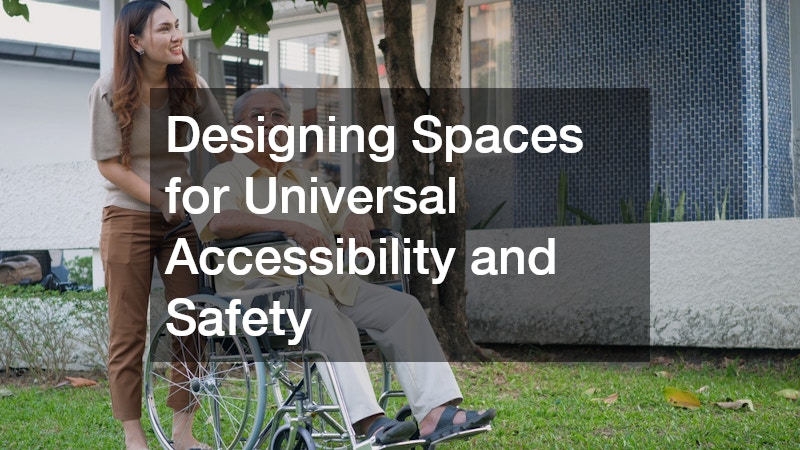
A truly well-designed home accounts for the needs of every inhabitant, regardless of age or physical ability. This concept, known as universal design, includes features like wider doorways, curb-less showers, and lever-style door handles. It is a level of customization similar to how families might search for a specialized bed for special needs children to ensure a bedroom is tailored to specific comfort and safety requirements. When a home is designed with empathy and foresight, it becomes a space where everyone can navigate with independence and dignity.
To truly master home safety, one must also look at the lighting and flooring choices. High-contrast transitions and non-slip surfaces are essential for preventing falls, while smart lighting systems can provide path-finding illumination during the night. This focus on the well-being of the inhabitants is the cornerstone of thoughtful design. Whether you are installing a ramp or simply reorganizing a kitchen for better ergonomics, the goal is to create a space that feels supportive and safe for all stages of life.
Enhancing Indoor Air Quality and Waste Management
A home that cannot process its waste and air effectively is a home that traps pollutants. Mechanical ventilation systems are the most direct way to flush out volatile organic compounds (VOCs) and moisture. This focus on air and waste quality is a pillar of home maintenance, comparable to the necessity of routine septic pumping to keep household systems running cleanly and without backup. Fresh air and efficient waste disposal are not just luxuries; they are requirements for a healthy residential environment.
Stagnant air and poor plumbing can lead to the growth of mold and mildew, which damages both the structure of the home and the health of its occupants. By strategically utilizing exhaust fans in kitchens and bathrooms, you can protect your home’s surfaces from decay. Homeowners who prioritize this natural cycle often find they have less need for deep carpet cleaning services to remove musty smells, as the constant removal of moisture prevents odors and allergens from becoming trapped in the home’s textiles.
Selecting Durable Materials for Longevity and Curb Appeal
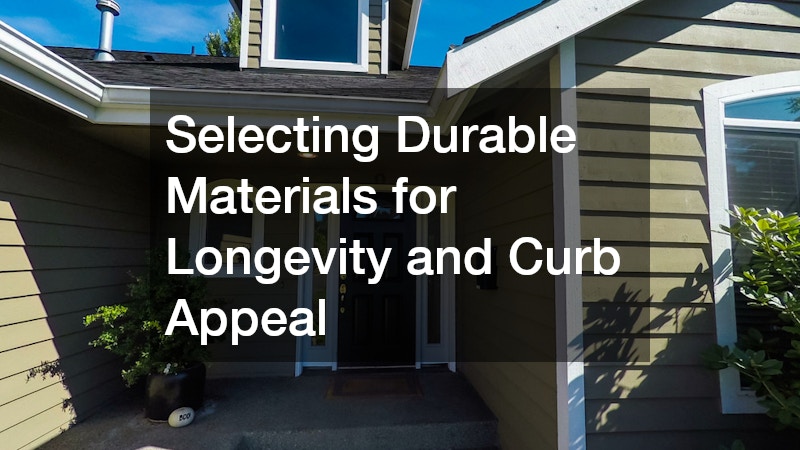
The materials you choose for your home’s exterior dictate the maintenance schedule for years to come. Fiber cement siding offers incredible durability and fire resistance, while stone veneers provide a timeless, high-end look. Your choice of material should complement the other features of your property, much like how a new deck or fence installation services can define the perimeter and architectural character of a backyard. Selecting long-lasting materials reduces the frequency of replacements and keeps your home looking fresh with minimal effort.
Beyond aesthetics, the thermal mass of your building materials is crucial. Materials like brick and concrete can store heat during the day and release it at night, helping to stabilize indoor temperatures naturally. This durability ensures that your investment stands the test of time, providing a solid barrier against the elements while maintaining the crisp lines and beautiful finishes that drew you to the design in the first place.
Navigating the Costs of Major Property Renovations
Embarking on a major renovation is a significant financial undertaking, but the return on investment is often felt in both daily enjoyment and future resale value. It is helpful to view this as a major infrastructure upgrade for the home. Similar to how one would vet local pool contractors for a major backyard project, homeowners should get multiple quotes and check references for any general contractor. Ensuring the underlying permits and structural work are handled by professionals is the only way to guarantee the long-term performance of the renovation.
The cost-benefit analysis of home improvement should also include the “hidden” savings of modernization. For example, upgrading to a smart irrigation system protects your landscaping and reduces water waste. While the upfront price tag can be daunting, many projects qualify for tax credits or energy rebates. When viewed as a multi-decade investment, the annual cost of high-quality craftsmanship is often much lower than the cumulative cost of repeated “band-aid” repairs on a poorly built structure.
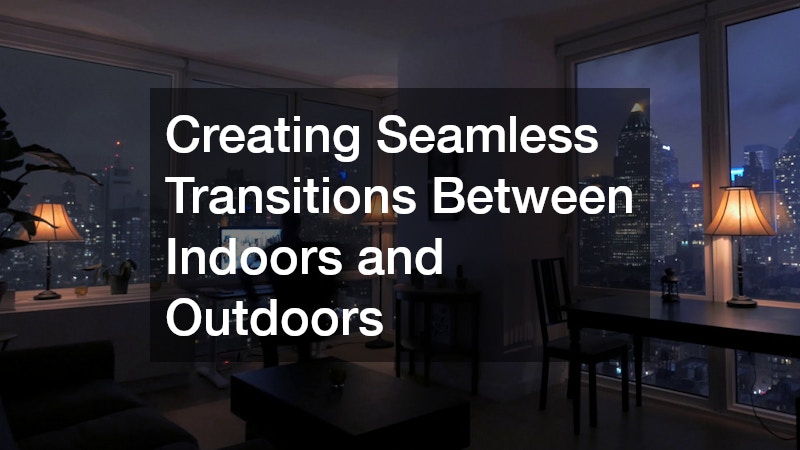
Creating Seamless Transitions Between Indoors and Outdoors
The modern trend of “blurring the lines” between the interior and the landscape has led to the popularity of outdoor kitchens, fire pits, and expansive patios. These installations turn a simple yard into an extension of your living room. When the transition is seamless, the home feels larger and more connected to nature. This architectural harmony is enhanced when the outdoor space is well-maintained; a pristine lawn or a clean patio makes the home even more inviting. Just as a home feels more complete with professional septic services keeping the utilities invisible and functional, the best designs are the ones where the interior and exterior work as a single unit.
This connection to nature is not just about looks; it’s about lifestyle. Being able to open a large set of doors to host a summer dinner party changes how you use your home. It encourages an outdoor-centric life, where the garden becomes an extra room for relaxation or play. To achieve this, the landscaping must be designed to complement the home’s architecture, using plants and hardscaping that require manageable levels of care while providing year-round visual interest and privacy.
Understanding the Role of Acoustics in Home Serenity
For those living in busy urban areas or near highways, acoustic design is a primary defense against stress. Thick insulation, solid-core doors, and strategic placement of bookshelves can all act as buffers against the roar of the outside world. Silence is a key component of a peaceful home environment. Maintaining this peace often requires a holistic approach to home systems, ensuring everything from the plumbing to the ventilation operates without unnecessary noise or vibration, creating a sanctuary where you can sleep and work in peace.
The science of sound dampening helps homeowners choose the right materials for their needs. Using soft goods like heavy curtains and rugs can significantly reduce echoes in large rooms with hard floors. This difference is the gap between a house that feels hollow and one that feels cozy and intimate. By investing in acoustic comfort, you create a sanctuary where you can enjoy the true quietude of a well-built home, free from the chaotic sounds of the modern world.

Security Features and Smart Home Integration
A home’s security is only as strong as its weakest link, which is why modern hardware and technology are essential. Smart locks, video doorbells, and motion-activated lighting provide peace of mind for the modern family. It is about protecting the home’s core functions and the people within. Homeowners who are diligent about security often extend that care to every system, from the locks on the front door to the integrity of the foundation and the reliability of their utility connections, ensuring that every entry point is monitored and secure.
Beyond alarms, security can be designed into the landscape. Low-profile fencing and strategic thorny shrubs can provide natural barriers without making a home look like a fortress. Modern systems also allow for remote monitoring, so you can check on your property from anywhere in the world. These thoughtful touches ensure that your home serves as a protective shield for your family, combining the comfort of a residence with the security of a modern, tech-enabled environment.
The Psychological Impact of Organized Living Spaces
There is a documented psychological phenomenon that suggests our external environment reflects and influences our internal state of mind. A cluttered, poorly maintained home can lead to increased cortisol levels and feelings of overwhelm. Conversely, a home that is organized and well-maintained fosters a sense of control and calm. Designing storage solutions that are both functional and aesthetic is an investment in your mental health. It ensures that every object has a place, reducing the friction of daily life and allowing you to focus on the things that truly matter.
This focus on organization extends to the “hidden” parts of the home as well. A well-organized garage, a clean basement, and a labeled utility room make maintenance tasks much simpler and less intimidating. When you know exactly where your tools are and can easily access your home’s main shut-off valves, you feel more empowered as a homeowner. This proactive approach to property management ensures that the home remains a source of joy rather than a source of stress.
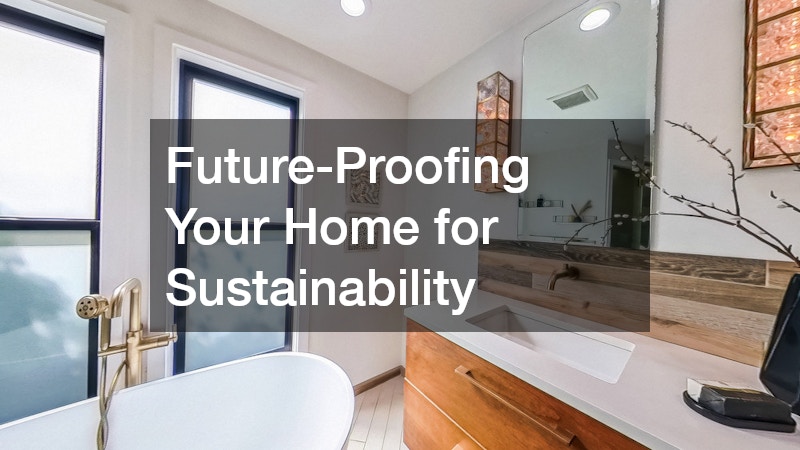
Future-Proofing Your Home for Sustainability
The future of home design involves systems that can adapt to a changing climate and evolving technology. This includes pre-wiring for electric vehicle charging, installing gray-water recycling systems, and choosing drought-resistant landscaping. As we move toward more sustainable living, the ability of our homes to be self-sufficient will become a major selling point. Staying ahead of these trends requires an active interest in the latest building techniques and a willingness to invest in the systems that make life more convenient and efficient.
We are also seeing the rise of modular and flexible floor plans that can change as a family grows or shrinks. Walls that can be moved or rooms that can serve multiple purposes—such as a guest room that doubles as a high-tech office—are the hallmarks of modern design. This level of innovation ensures that our homes remain resilient and adaptable, paving the way for a new era of architecture where the home is not just a static building, but a dynamic partner in our daily lives.
The Long-Term Value of Pride in Ownership
Ultimately, a home is more than just an asset; it is a reflection of the people who live within it. Taking pride in ownership means more than just keeping the lawn mowed; it involves a deep commitment to the quality and longevity of every component. From the choice of paint to the regularity of utility inspections, every action you take builds the story of your home. This dedication pays off not just in financial equity, but in the quality of the memories made within its walls.
When you invest time and resources into your property, you are investing in your future self. A well-maintained home provides a stable foundation for a life well-lived. Whether you are hosting a holiday dinner, relaxing after a long day of work, or watching your children grow, the environment you have cultivated serves as the backdrop for it all. By following the principles of sound design and consistent maintenance, you ensure that your home remains a source of comfort, pride, and inspiration for many years to come.