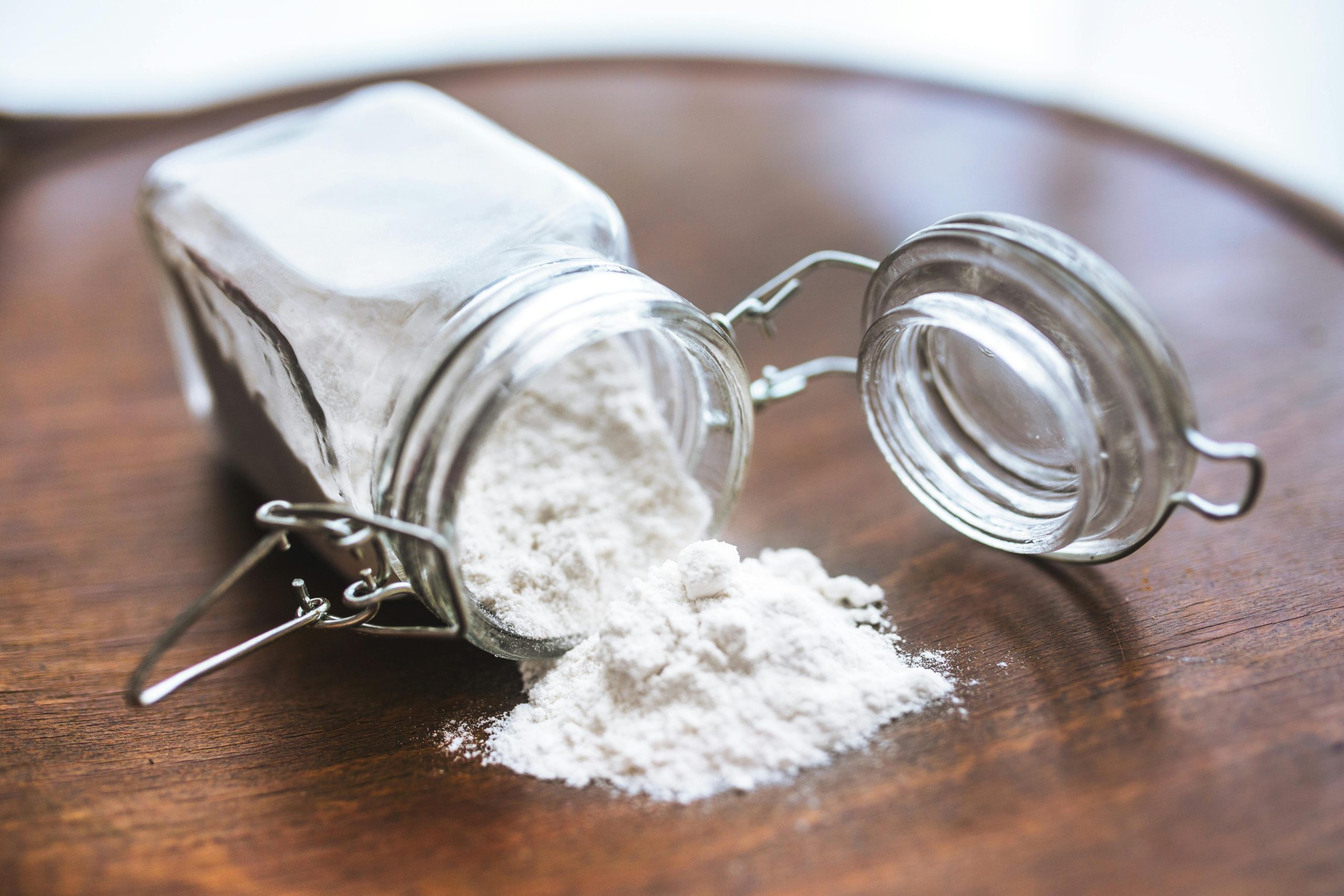
When you think about baking soda, you probably think about chocolate chip cookies or fluffy pancakes. For generations, this simple white powder has lived in the back of kitchen pantries across the country. But if you only use it for baking, you are missing out on one of the most powerful home improvement tools ever discovered.
Baking soda, also known as sodium bicarbonate, is a natural mineral that is incredibly versatile. It is non-toxic, which means it is safe to use around your kids and pets. It is also extremely cheap. While fancy cleaning sprays can cost five or six dollars a bottle, a large box of baking soda costs about a dollar and can replace half a dozen different products.
If you are looking for baking soda for cleaning tips, you have come to the right place. In this guide, we are going to look at ten surprising ways you can use this humble powder to refresh your home, maintain your appliances, and keep your living space looking brand new.
The Science Behind the Magic
Before we get to the list, it helps to understand why this stuff works so well. Baking soda is a “mild abrasive.” This means it is gritty enough to scrub away stuck-on gunk, but soft enough that it won’t scratch most surfaces.
More importantly, it is a “pH buffer.” Most bad smells in your home—like the scent of old gym shoes or a stinky fridge—are acidic. Because baking soda is alkaline, it actually reacts with the acids and neutralizes them. Instead of just “covering up” a smell with a fake perfume, it actually makes the smell disappear.
1. The Ultimate Oven Deep-Clean
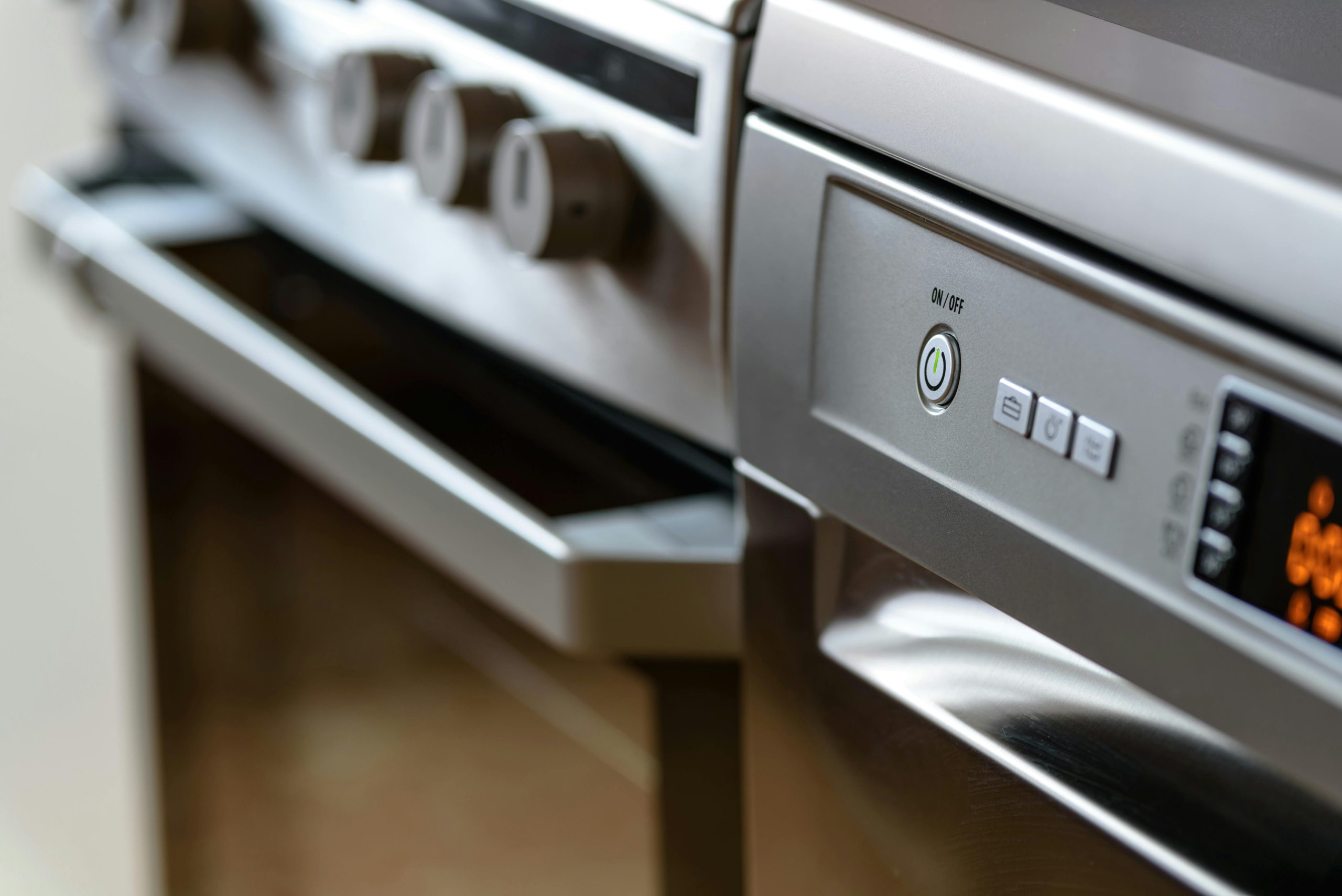
Cleaning the oven is often the most hated chore in any house. Many store-bought oven cleaners use very harsh chemicals that can burn your eyes and throat.
- The Technique: Mix baking soda with a little bit of water to make a thick paste. Spread it all over the inside of your oven (avoid the heating elements). Let it sit overnight.
- The Result: The next morning, the grease will have turned into a soft sludge. Use a damp cloth to wipe it away. For any stubborn spots, spray a little vinegar on the paste to make it fizz, which helps lift the dirt.
- Why it Works: The alkalinity of the baking soda breaks down the acidic grease that has been “baked” onto the metal.
2. Deodorizing the Refrigerator
This is the classic use for baking soda, but many people do it wrong. They leave a tiny, closed box in the corner and hope for the best.
- The Technique: To really get the benefits of baking soda for cleaning the air in your fridge, you need surface area. Pour the powder into a shallow bowl or a wide, open container.
- The Maintenance: Place it on the middle shelf. Change the powder every month to keep the air smelling fresh.
- Pro Tip: Don’t throw the old powder away! When you are done with the bowl, pour it down your kitchen sink to help freshen the drain.
3. Cleaning the “Mystery Gunk” Off Small Appliances
Have you ever noticed that your toaster, coffee maker, or air fryer gets a sticky, greasy film on the outside? This is usually a mix of dust and cooking oil that has settled over time.
- The Technique: Sprinkle some baking soda on a damp sponge and gently rub the surface of the appliance.
- The Benefit: It acts like a “micro-scrubber” that lifts the grease without scratching the plastic or stainless steel. Wipe it clean with a fresh damp cloth afterward.
- Caution: Make sure the appliance is unplugged before you start cleaning!
4. Refreshing the Garbage Disposal
If your kitchen has a funky smell that won’t go away, the culprit is probably your garbage disposal. Bits of food get trapped in the blades and rot.
- The Technique: Pour half a cup of baking soda down the drain, followed by a cup of warm vinegar. It will create a “volcano” effect of bubbles. Let it sit for ten minutes.
- The Final Step: Flush it with boiling water while running the disposal.
- Why it Works: The fizzing action reaches into the tiny cracks of the blades and the rubber splash guard, neutralizing odors where you can’t reach with a brush.
5. Brightening Your Bathroom Grout
Grout is the porous material between your tiles. Because it is a bit like a sponge, it soaks up dirty mop water and soap scum, turning it grey or brown.
- The Technique: Make a paste of baking soda and water. Apply it to the grout lines with an old toothbrush and give it a quick scrub.
- The Result: Leave it for 15 minutes, then rinse it off with warm water.
- Home Improvement Win: Your bathroom will look like it was recently re-tiled for the cost of a few pennies.
6. Removing Scuff Marks from Walls
If you have kids or pets, you probably have black scuff marks on your baseboards or walls from shoes, toys, or leashes.
- The Technique: Dip a damp microfiber cloth into a bowl of dry baking soda. Gently rub the scuff mark in a circular motion.
- Why it Works: It works just like a “magic eraser” but without the chemical additives. It lifts the rubber or plastic residue right off the paint.
- Note: Always test a small, hidden area of your wall first to make sure it doesn’t dull the paint’s shine.
7. Cleaning and Sweetening Carpets
Carpet fibers are notorious for trapping smells. Whether it is the scent of a wet dog or just a “musty” room, a vacuum alone usually won’t fix it.
- The Technique: Sprinkle a generous layer of dry baking soda over your carpet. Use a broom to lightly work it into the fibers. Let it sit for at least an hour (or even overnight).
- The Result: Vacuum the carpet thoroughly.
- The Benefit: The powder absorbs the oils and odors that are trapped deep in the carpet backing, leaving the whole room smelling crisp and clean.
8. Mastering Hardwood Floor Cleaning Spills
As we have discussed in other articles, moisture is the enemy of wood. But sometimes, a spill happens that leaves a sticky residue.
- The Technique: If you have a stubborn, sticky spot on your floor, sprinkle a tiny amount of baking soda on a very damp cloth.
- The Process: Gently buff the spot until it disappears. Because hardwood floor cleaning requires a delicate touch, the mild abrasiveness of the powder is much safer than using a metal scraper or a harsh chemical.
- The Finish: Wipe the area again with a dry cloth to make sure no white powder is left behind in the grain of the wood.
9. Polishing Silver and Brass
If you have heirloom silver, brass door knockers, or even stainless steel sinks that have lost their luster, baking soda can bring back the shine.
- The Technique: Create a thin watery paste. Rub it onto the metal with a soft cloth.
- The Magic: For silver, you can line a bowl with aluminum foil, add hot water and baking soda, and soak the silver. A chemical reaction called “ion transfer” will move the tarnish from the silver to the foil.
- Why it Works: It removes the oxidation (tarnish) without wearing down the metal beneath it.
10. Cleaning Patio Furniture
Outdoor furniture is exposed to pollen, bird droppings, and rain. By the time spring rolls around, your plastic or metal chairs often look dingy.
- The Technique: Mix half a cup of baking soda into a bucket of warm water with a squirt of dish soap.
- The Action: Use a stiff brush to scrub the furniture with this solution.
- The Benefit: It cuts through the outdoor “grime” and helps remove the green algae that sometimes grows on the legs of chairs. Rinse it off with a garden hose, and your patio is ready for a barbecue.
Why Baking Soda is a Home Improvement Essential
Beyond just “cleaning,” using baking soda is a smart home improvement strategy. It helps you maintain the “fixed” parts of your house—like your plumbing, your grout, and your built-in appliances—so they last longer. When you take care of these things, you prevent the need for expensive repairs and replacements.
It also improves your “indoor air quality.” Many commercial cleaners release VOCs (volatile organic compounds) into your home. These are chemicals that can trigger asthma or allergies. Because baking soda is a natural mineral, it doesn’t release any harmful fumes. It makes your home a healthier place for your family to live.
Conclusion
It is amazing that something so simple and inexpensive can do so much. From the toughest grease in your oven to the most delicate silver on your table, baking soda for cleaning is truly a “miracle” product.
By incorporating these ten tricks into your routine, you can save money, protect your family’s health, and keep your home in top-notch condition. The next time you are at the grocery store, grab an extra-large box of baking soda. You won’t just be ready for a batch of cookies—you’ll be ready to give your entire home a professional-level refresh.